Physical Address
304 North Cardinal St.
Dorchester Center, MA 02124
Physical Address
304 North Cardinal St.
Dorchester Center, MA 02124
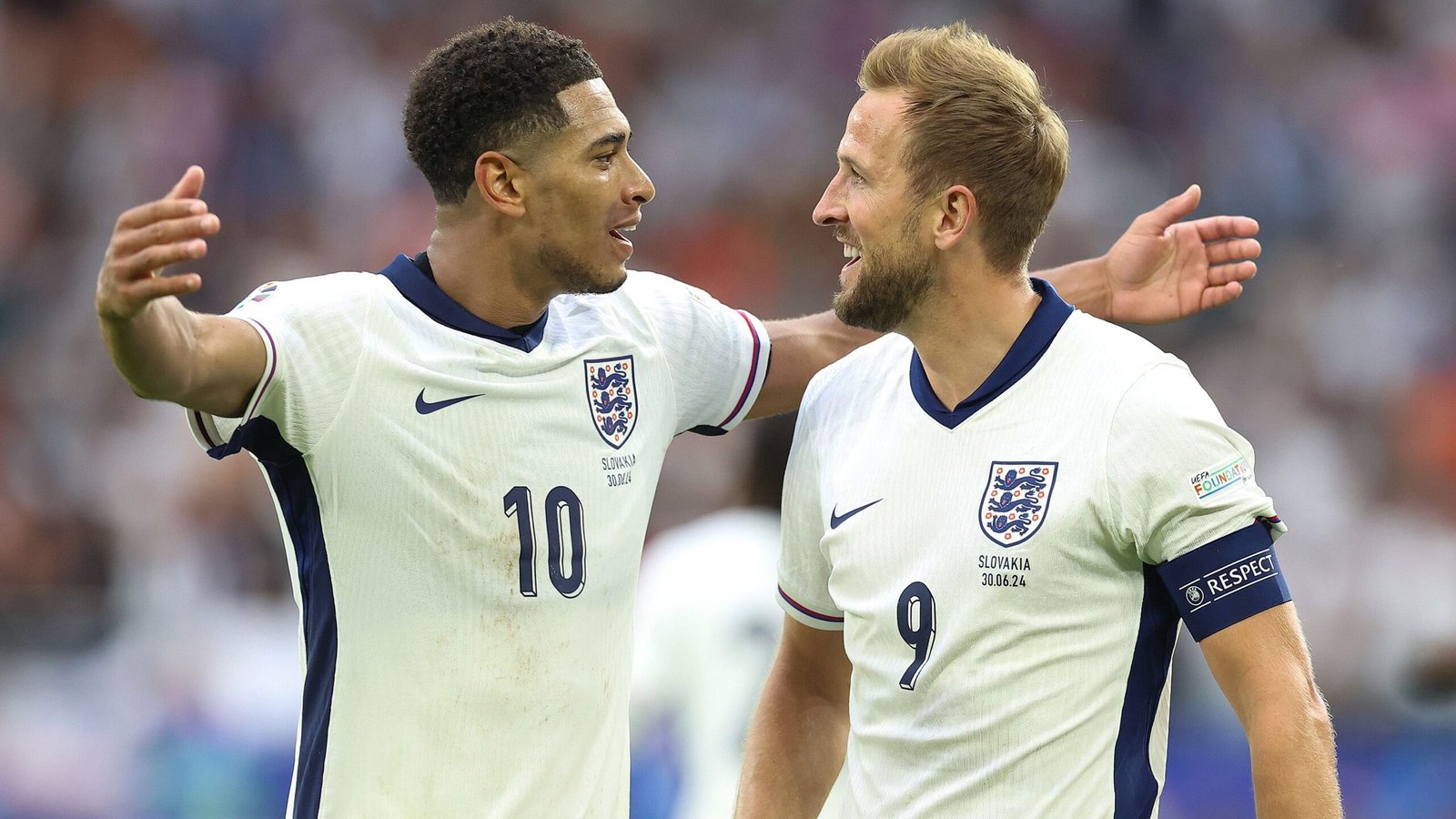
Kane and Bellingham are not enough.
Once again, England were on the cusp of glory and again left the tournament suffering yet another disappointment, adding to a long record of missed chances. While the Three Lions showed strong personality, fighting spirit and the ability to bounce back in the toughest of times, the 2026 World Cup semi-final against Argentina revealed a deeper problem than just losing. A problem with a team’s ability to impose its personality on major rivals, when small details become the difference between a champion and a loser.
Perhaps coach Thomas Tuchel’s candid comments have opened the door to a wide debate about the reality of the level of England’s squad, and whether fighting spirit alone is enough to win titles, or whether the team lacks the technical quality and all-roundness enjoyed by world football’s great powers.
Thomas Tuchel said the mentality of the England team can be packaged and sold, but what cannot be marketed is the ability to maintain consistency and deliver reliable performances in big games when the pressure is at its peak.
The German coach’s comments came in a candid interview following the World Cup quarter-final win over Norway (2:1), during which he strongly criticized his team’s performance despite qualifying, stressing that the result did not reflect the reality of the players.
Later, he added in his statements to the BBC:BBC:“Dominating the game and having the ball may not be in our DNA.”
But a late collapse against Argentina in the semi-final, which prevented England from reaching the World Cup finals for the first time since their historic coronation at Wembley Stadium in 1966, brought to the fore the same questions that have dogged the national team for decades.
This disappointment is compounded by a string of painful setbacks, including two defeats in the European Championship final and a defeat to Croatia in the semi-finals of the 2018 World Cup, which reinforces the impression that England are still a team too close to glory to miss out on.
There is no doubt that fighting spirit, effort and the ability to create decisive moments are commendable elements, but they alone are not enough to win championships, as the English experience once again proved.
.jpg?format=jpg)
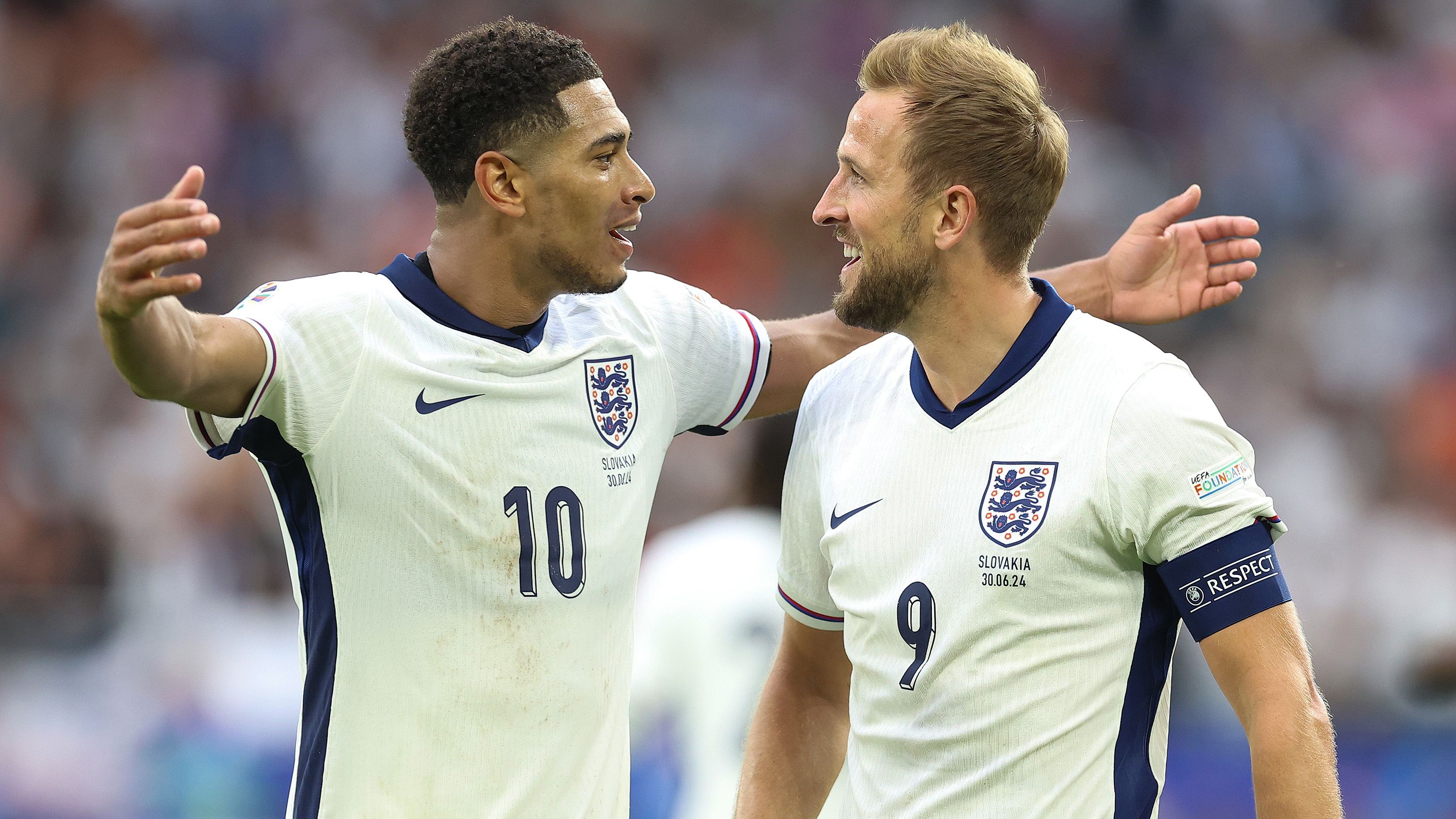
England’s World Cup journey was largely based on the exceptional brilliance of their captain Harry Kane and their star player Jude Bellingham. The duo scored 12 of England’s 14 goals in the tournament, with six goals for each player, with the other two coming from Marcus Rashford and Anthony Gordon.
Tuchel, on the other hand, suffered from Arsenal duo Declan Rice and Bukayo Saka’s lack of full effectiveness due to illness and injury, which affected the system he relied on so heavily.
John Stones is still performing at exceptional levels, even though he is thirty-two years old, but the rest of the team is more solid and disciplined than having the ability to make changes.
Unlike Spain, the world champion and runner-up of Europe, or France, full of attacking talent, or Argentina, who have an exceptional personality led by Lionel Messi, England do not seem to have the same elite quality in all their lines.
Because of this, England relied more on individual highlights than dominant team play in many of their matches. When they fell behind against the Democratic Republic of Congo in the Round of 32, Harry Kane was the savior with two late goals, and when they fell behind against Norway in the quarter-finals, Bellingham made sure he led the comeback with two crucial goals.
Perhaps it was at those moments that Tuchel revealed his true conviction. He praised the character of his players, but did not hide his clear criticism of the technical quality provided by the team.
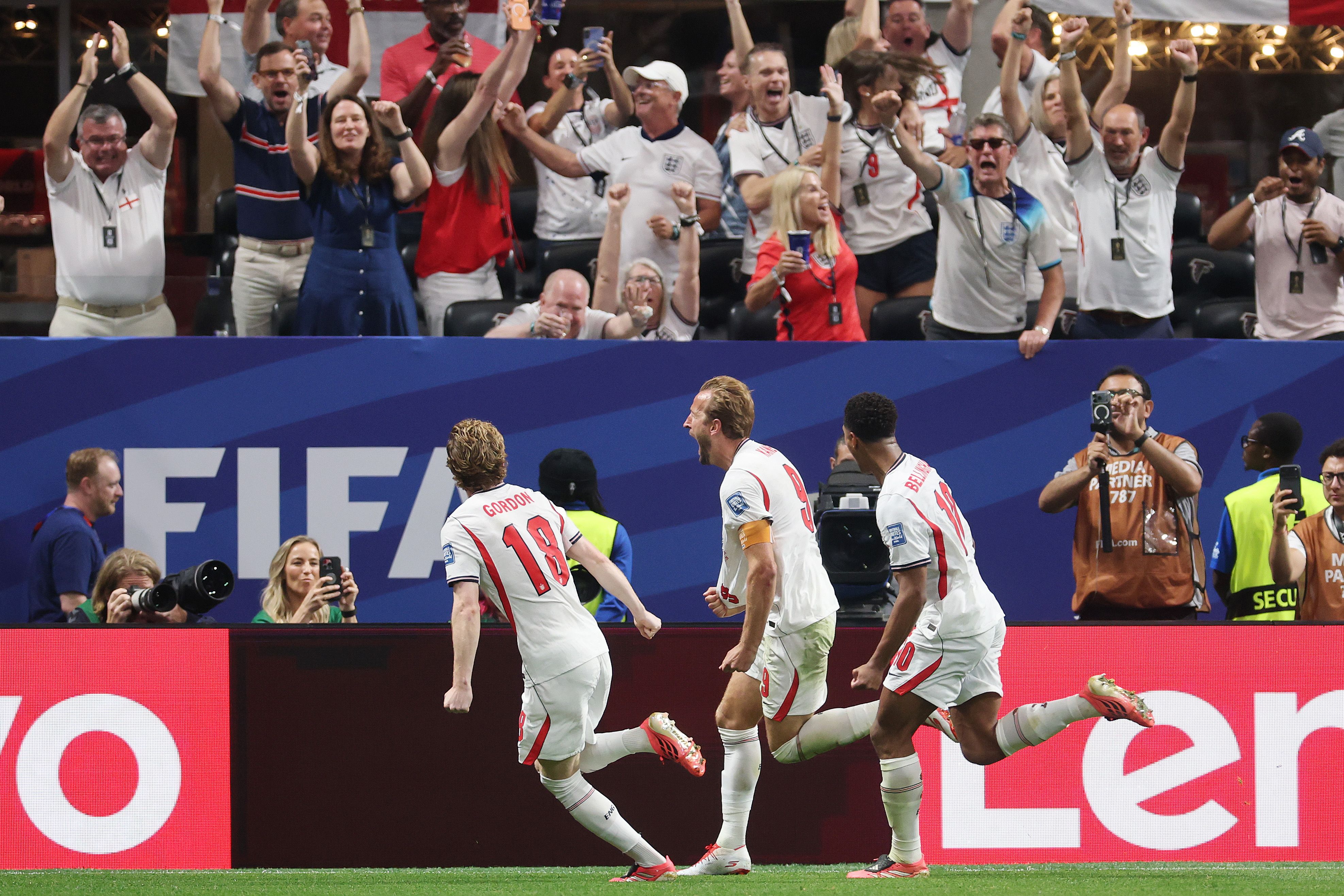
England deserve praise after their big win over Mexico at the Azteca Stadium in front of an exceptional crowd, but the question remains.
The answer seems difficult. Apart from thirty excellent second-half minutes in the opening match against Croatia, which ended in a 4-2 victory, England have not provided the consistent levels worthy of their title ambitions.
Indeed, he was only a quarter of an hour away from a humiliating exit against the Democratic Republic of Congo before Kane stepped in and saved the day.
Although Rice and Elliott Anderson have plenty of experience in the midfield, the team clearly suffered when facing an opponent that was good on the ball and imposed its rhythm.
Tuchel himself has confirmed that possession is an important element in modern football, but he has admitted that it is not the character of the England national team.
“Maybe it’s not in our DNA like the Spaniards, the Argentinians or the Brazilians, the ability to possess the ball and control the flow of the game, and that’s a big problem too.”
“I still believe that our players have enough quality. I see it every day at practice and every camp.”
Despite this, the team failed to impose their individuality against the big teams, reminiscent of Croatia’s clear superiority over England in the semi-finals of the 2018 World Cup.
It may seem harsh to describe England as only excelling against lower-level opposition, but their results in major confrontations still raise many question marks.
Perhaps the starkest statistic is that England had just 12% possession from the time Anthony Gordon opened the scoring for Argentina in the 55th minute until Lautaro Martinez’s fatal goal at the end.
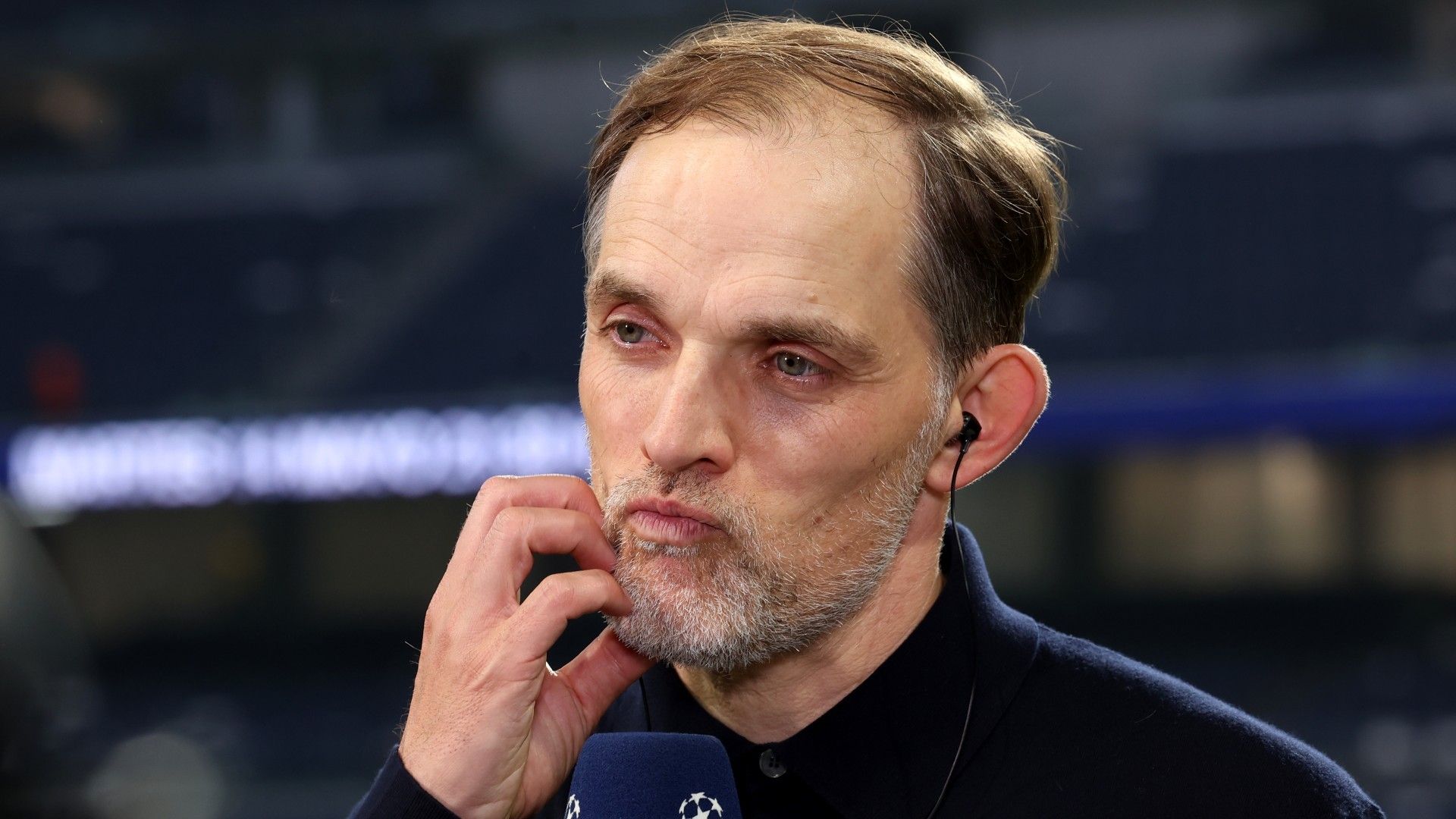
Tuchel built the England team according to the model prevailing in the English Premier League, relying on a four-line defence, two anchors and Bellingham in the playmaking position, in addition to two open wingers.
This approach may work in the English Premier League, but it does not seem to be enough when it comes to World Cup competitions, where technical details determine the fate of tournaments.
England have physical strength and tactical commitment but, with the exception of Kane and Bellingham, lack enough players to make a difference in key matches.
This is where the FA’s real concern lies, as most of the solutions that have been tried in recent years seem unable to break the vicious cycle.
Tuchel became the complete opposite of Gareth Southgate, who twice led the national team to the finals of the Euros and reached the semi-finals of the World Cup, but was criticized for his tactical reserve.
Expectations were that the German coach would inject a bolder attacking character into the team and eventually lead them to the podium.
But the irony is that Tuchel, when his side took the lead against Argentina in the semi-final, chose to back off and defend the result, the same method Southgate has always been criticized for.

Tuchel preferred realism over talent in his selection. He missed out on Trent Alexander-Arnold early on, with Cole Palmer and Phil Foden also absent due to a dip in form, while Morgan Gibbs-White was overlooked despite his outstanding season with Nottingham Forest.
At some stages of the tournament, it seemed that the national team desperately needed a player like Adam Wharton, who, thanks to the quality of his passes and the variety of their solutions, is able to keep the ball and control the tempo of the game.
Although the Crystal Palace man is still in the early stages of his international career, having made just four appearances for the national team, he has shown his maturity on big occasions and helped his side win the FA Cup and the European Conference League.
The dilemma remains. Few would prefer to remove Rice or Elliott Anderson from the starting lineup, and Bellingham is considered one of the best players in the world at his position.
But reality confirms that Tuchel is required to find new solutions and a different approach, as the current system has failed to turn English ambition into a historic achievement once again.



