Physical Address
304 North Cardinal St.
Dorchester Center, MA 02124
Physical Address
304 North Cardinal St.
Dorchester Center, MA 02124
A story of struggle
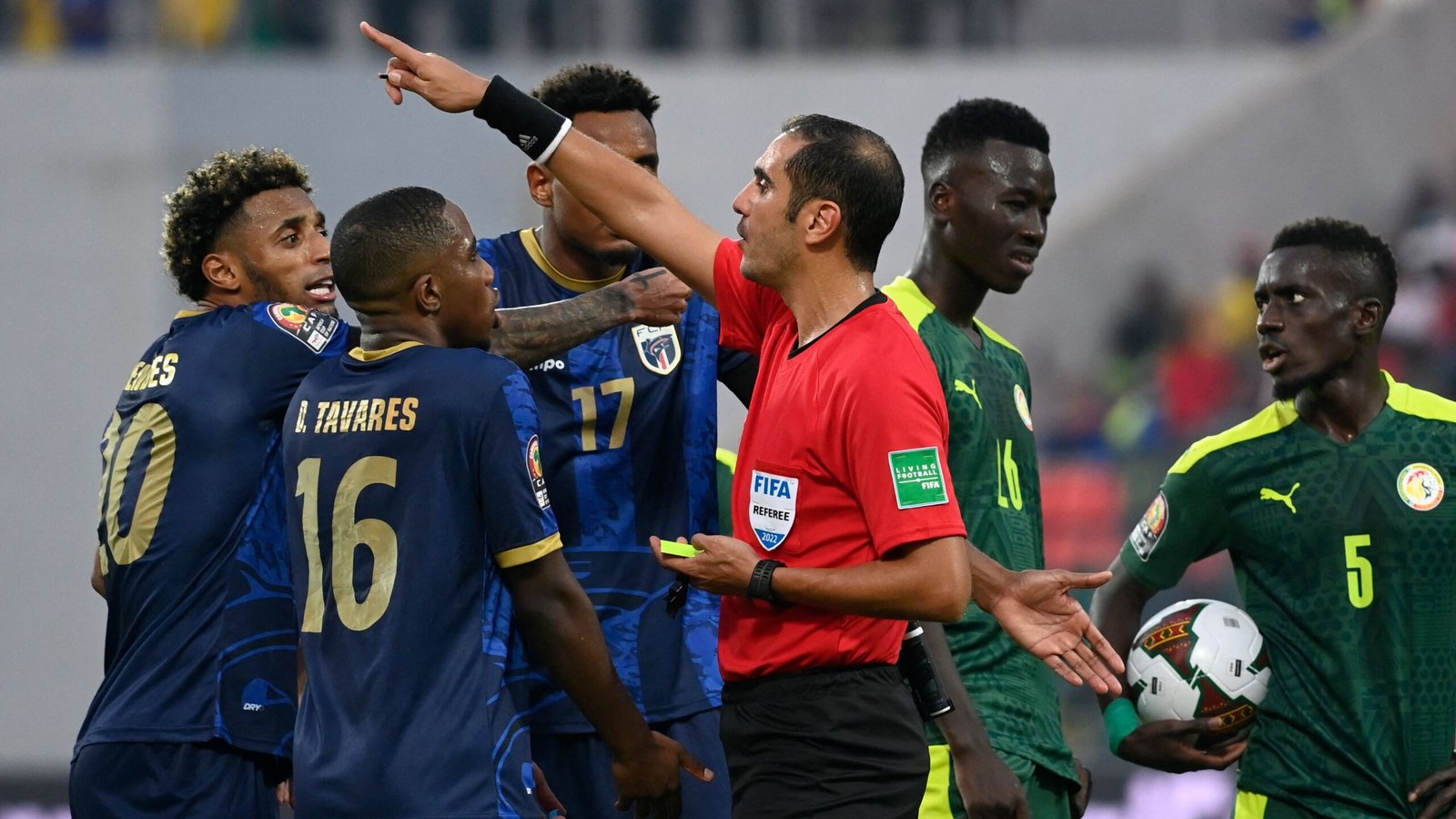
The Cape Verde national team entered the pages of football history from the widest gates after they managed to secure their qualification… World Cup 2026To achieve the biggest achievement in the football career of a small African country that has developed into one of the most developed teams on the African continent in recent years.
Cape Verde’s appearance at the 2026 World Cup marked a defining moment in the history of African football, after the Blue Sharks overcame opponents with more experience and ability, using a step-by-step football project based on talent scouting across Europe to form a team with technical and tactical discipline.
When talking about the history of the Cape Verde national team at previous World Cups, the most obvious number is “zero”, as the Cape Verde national team has never participated in a previous World Cup since the founding of its local federation and joining FIFA.
In past decades, and especially after the 2002 World Cup qualifiers that saw the team’s first attempts, the dream of qualifying seemed distant.
The team had early exits or strong performances without finishing touches in the qualifiers for the 2006, 2010, 2014, 2018 and 2022 editions, and in the 2014 qualifiers the team came very close to qualifying for the finals if not for an administrative error for a player. Tunisia.
Accordingly, the team’s historical record in the finals until 2026 is devoid of other numbers than consecutive disasters in the qualifying stages, but this reality completely changed on 13 October 2025, when the referee called the final of the team’s last match against Eswatini, announcing that the aforementioned country was writing the smallest country in recent history. World Cup finals in history after Iceland, whose area does not exceed 4033 square kilometers and the population is only about 525 thousand people.
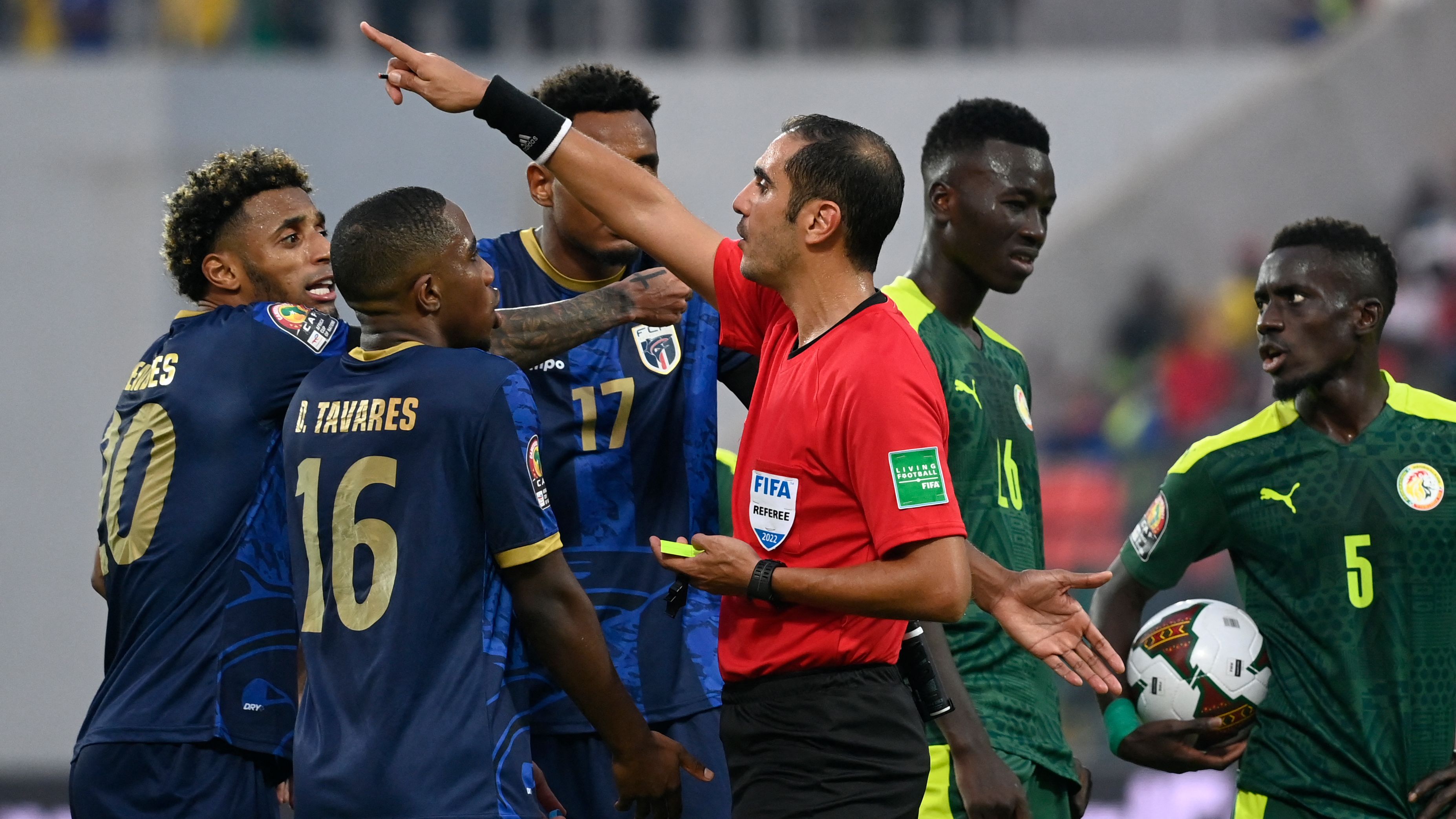
Cape Verde’s qualification for the 2026 World Cup came in a dramatic scenario befitting an African qualifier as the Blue Sharks were drawn in Group Four alongside big-name sides, notably Cameroon, in addition to Angola, Libya, Mauritius and Eswatini.
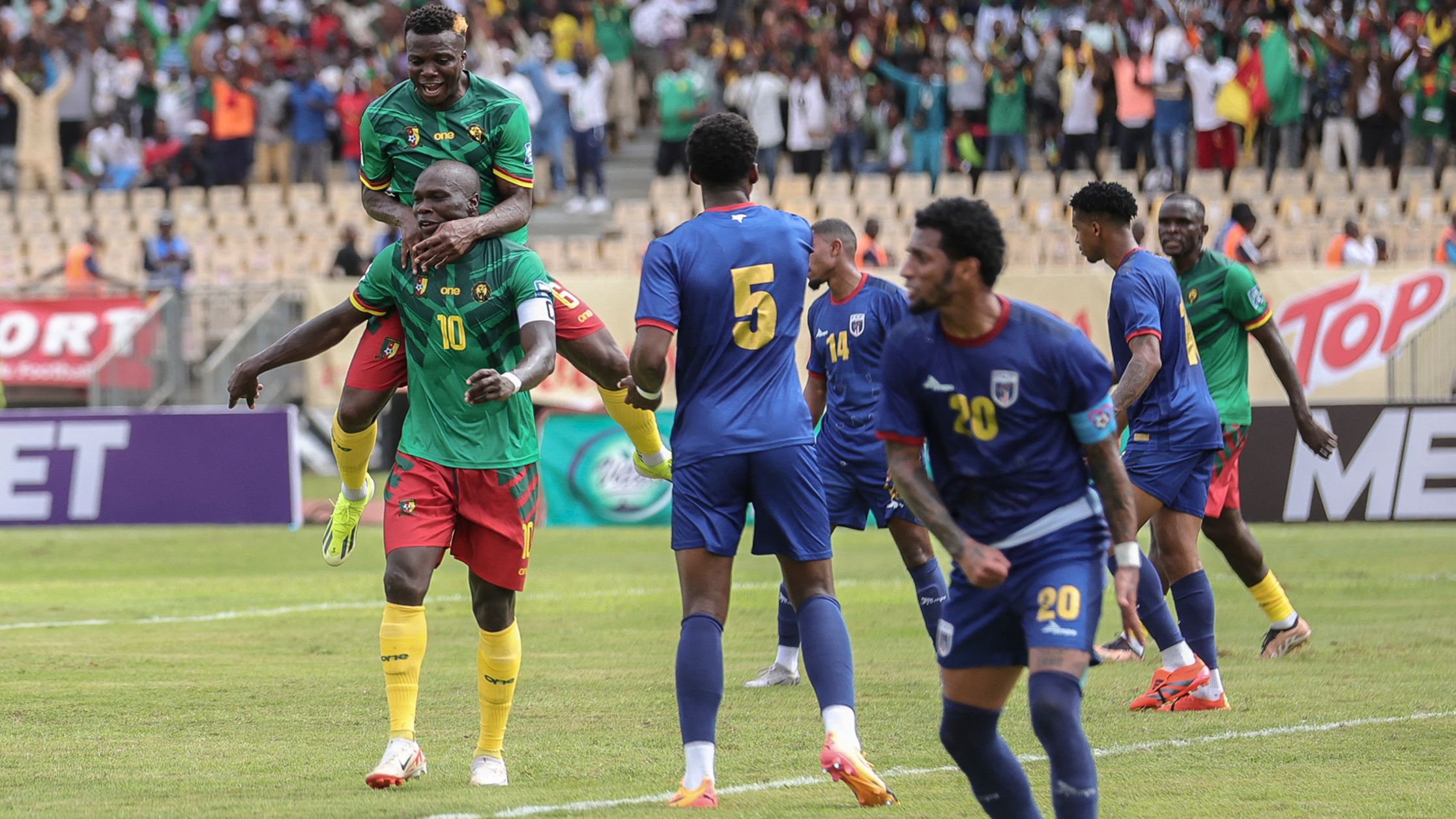
Most optimists did not expect this small team to take down the unruly Lions of Cameroon, but the high tactical discipline of coach Bobista’s team made the difference.
The team played 10 full matches in the qualifiers, winning 7, drawing two and losing just once to finish top of the group with 23 points, two full points behind the old Cameroon side.
A key pillar of this miraculous qualification was absolute immunity at home as the Cape Verdean side managed to win all five of their matches at home and in the capital Praia without conceding a single goal.
In the crucial stages of the qualifiers in September and October 2025, the team rose to a run of five consecutive victories, which began with a clean sheet at home to Mauritius, then the biggest shock of all, beating Cameroon in Praia with a clean sheet that ignited enthusiasm.
After a three-goal draw against Libya in Tripoli, the historic decider took place on 13 October 2025 against Eswatini, in which the Sharks romped to a clean sheet that sent wild jubilation across the Atlantic islands and announced their official promotion to the world stage in a burning group of Uruguay Arabia and Saudi Arabia.
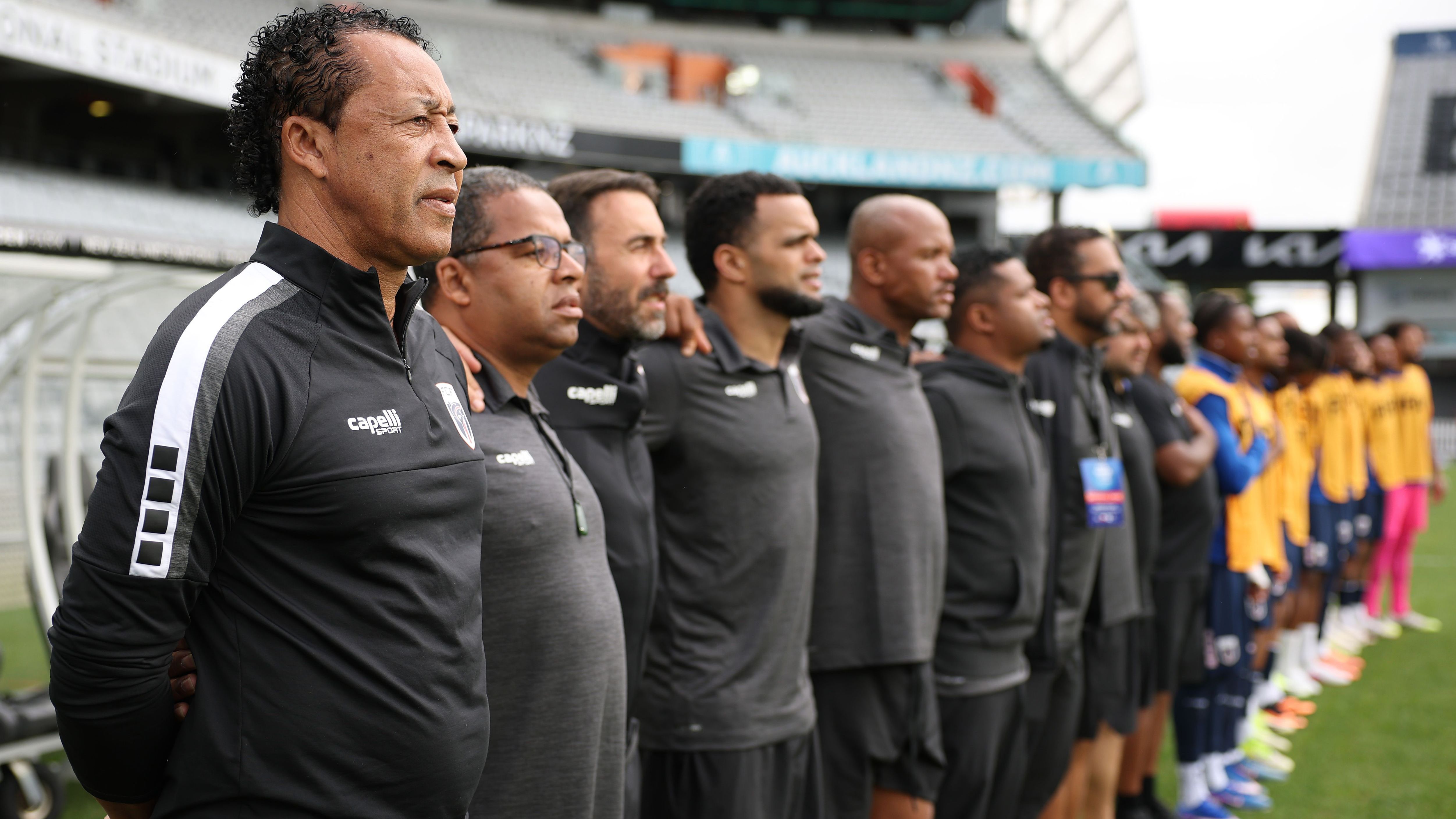
Behind this historic achievement is a local man named Pedro Britton, known in sporting circles as ‘Bobista’.
Bobista, 56, is not just a passing coach, but a true leader who has managed to instill a winning mentality and fierce commitment in the dressing room.
Bobista relies on a balanced tactical style that clearly leans towards a preferred playing style (4-3-3) which very flexibly transforms into a defensive situation (4-5-1).
Bobista prefers to close the spaces in the middle of his field and rely on the middle pressure, while giving complete freedom to the attacking sides to start quick counter attacks.
Bobista’s philosophy is based on the fact that “the group beats the individual”, and through this he was able to unite the professionals active in different European leagues in a strong collective mold that is difficult to penetrate.
Despite the tyranny of collectivism, the Cape Verdean squad has elements of skill and plenty of experience playing at very good competitive levels in Europe, and the most notable of these current stars is Ryan Mendes, who is the team’s historic leader and shining symbol, a veteran flying winger who represents attacking power and a wealth of experience in tackling today’s tough games.
The Cape Verde team also includes the 39-year-old giant goalkeeper Fosinha, who is considered a safety valve and spiritual leader on the field.
Logan Costa, the young defensive rock and Villarreal star who is considered one of the best up-and-coming defenders in La Liga, also stands out. He excels with his height and strength in aerial battles and making plays from the back.
The Cape Verde team is considered one of the fastest teams on the African continent, jumping from defense to attack. The presence of wings like Ryan Mendes and Giovani Cabral makes rebounding a nightmare for opponents.
Also, the great understanding between Logan Costa and Roberto López deep in defence, and goalkeeper Fosinha behind them, gave the team a lot of stability and this was evident by not conceding a single goal at home during qualifying.
The team has great length in the back line and in midfield (such as Kevin Peña and Lujan Costa), which makes them a constant source of danger from corner kicks and lateral offences.
The technical difference between the main players and the substitutes is an obsession for coach Bobista, and any absence due to injury or suspension of the mainstays of the team can negatively affect the overall performance in a strongly combined tournament such as the World Cup.
Cape Verde suffers from a lack of World Cup experience, as playing in World Cup finals is completely different from African qualifiers, and the fear of first-time encounters against giants like Spain and Uruguay can put a lot of psychological pressure on the players in the first few minutes.
Cape Verde is characterized by relative slowness in negative possession and when forced to impose its style and take the initiative against defensive groups, it sometimes lacks innovation in playing from deep and always prefers to have spaces to run behind defenders.



