Physical Address
304 North Cardinal St.
Dorchester Center, MA 02124
Physical Address
304 North Cardinal St.
Dorchester Center, MA 02124
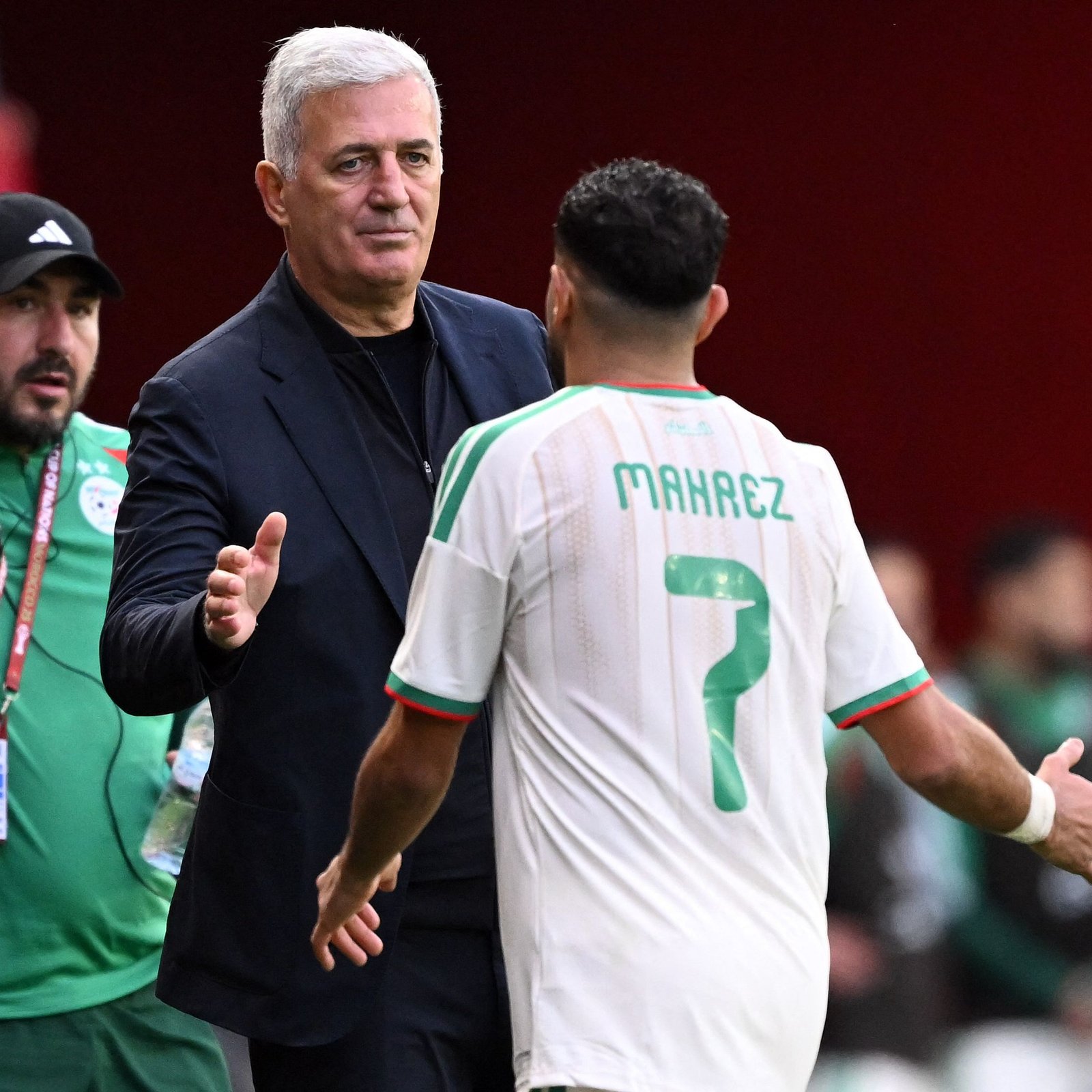
Return to glory or continued confusion?
When the name of Algeria is mentioned in the World Cup, immortal images created by different generations of “desert warriors” immediately come to mind. From the historic victory over West Germany in the 1982 World Cup to the heroic epic against the title winners Germany in 2014, the Algerian team managed to create a special mental image for itself as one of the Arab and African teams capable of inspiring its fans and creating exceptional moments.
But football does not recognize memories alone, nor does it grant privileges based on history. Therefore, Algeria enter the 2026 World Cup with a more difficult question than simply seeking to advance beyond the group stage. Or has the brilliance of the past become greater than the actual level of the team on the field?
Algeria return to the World Cup for the first time in 12 years after a painful absence from the 2018 and 2022 editions, a period that saw many transformations and swings between continental glory and other recurring disappointments. Although the national team has a bunch of familiar names, it arrives in the United States, Canada and Mexico surrounded by more question marks than ever before.
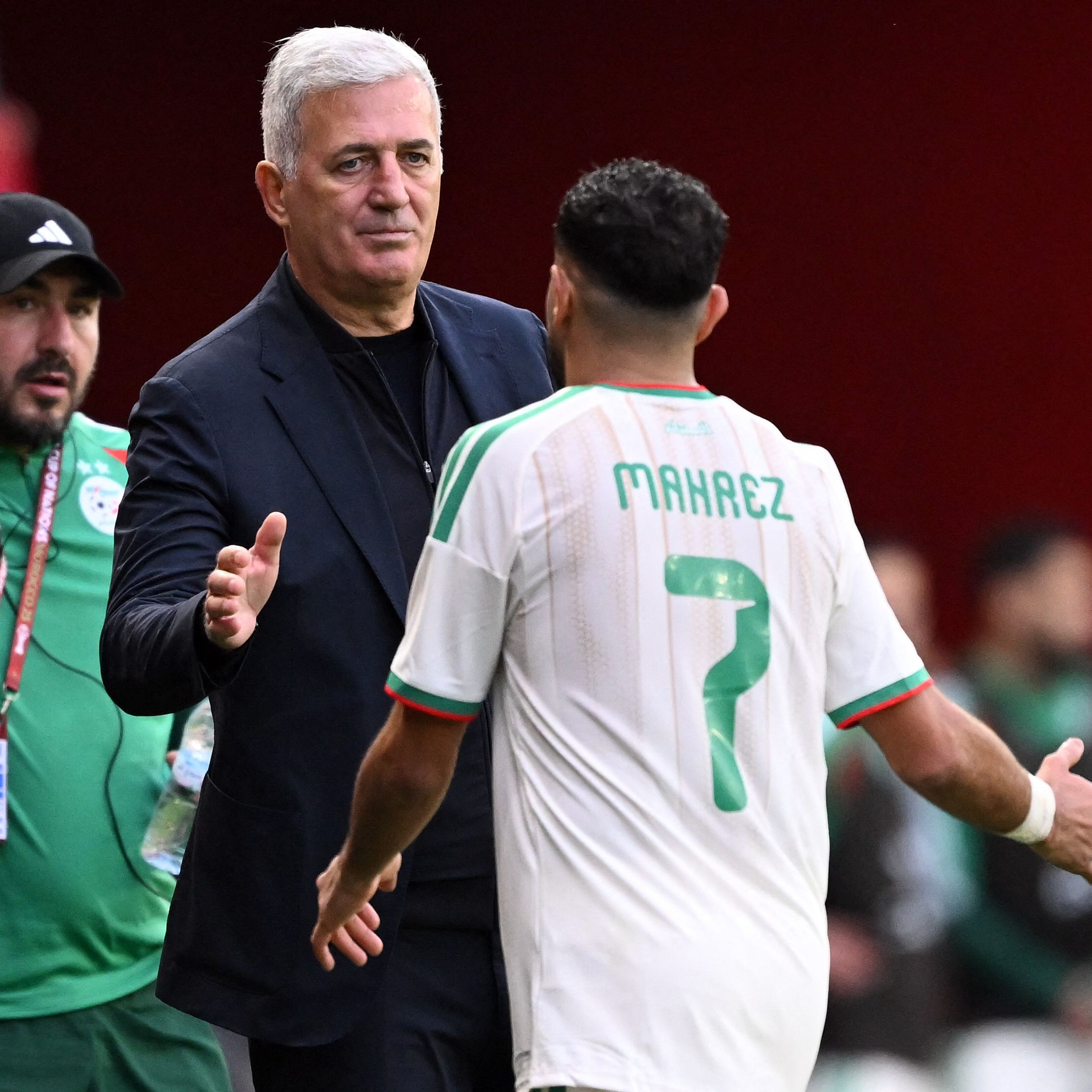
Since being appointed as Algeria’s coach in February 2024, Bosnian Swiss Vladimir Petkovic has aimed to restore stability to a team that has suffered many technical fluctuations in recent years.
Petkovic has a respectable coaching record, making his name at Swiss stadiums with Bellinzona and Young Boys, before having experience in Turkey and Italy, most notably Lazio, whom he led to the Coppa Italia in 2013.
He has since enjoyed remarkable success with the Swiss national team, leading them to the round of 16 of the 2018 World Cup and the quarter-finals of the 2020 UEFA Nations League, in addition to reaching the final of the Nations League.
The start with Algeria was very encouraging. The coach managed to restore discipline and balance to the team and achieved positive results at the level of African qualifiers, whether qualifying for the Africa Cup of Nations or the World Cup.
The numbers confirm the degree of development the national team witnessed under his leadership. He played 28 matches, during which he won 21, compared to 4 draws and only 3 defeats. The team also scored 67 goals and conceded 22, a figure that reflects a clear offensive strength and a relative improvement in defense.
But numbers alone don’t tell the whole story. The real test of any training project is always in the big tournaments, where the pressures are different, the quality of competitors is higher, and the small details become the difference between success and failure.
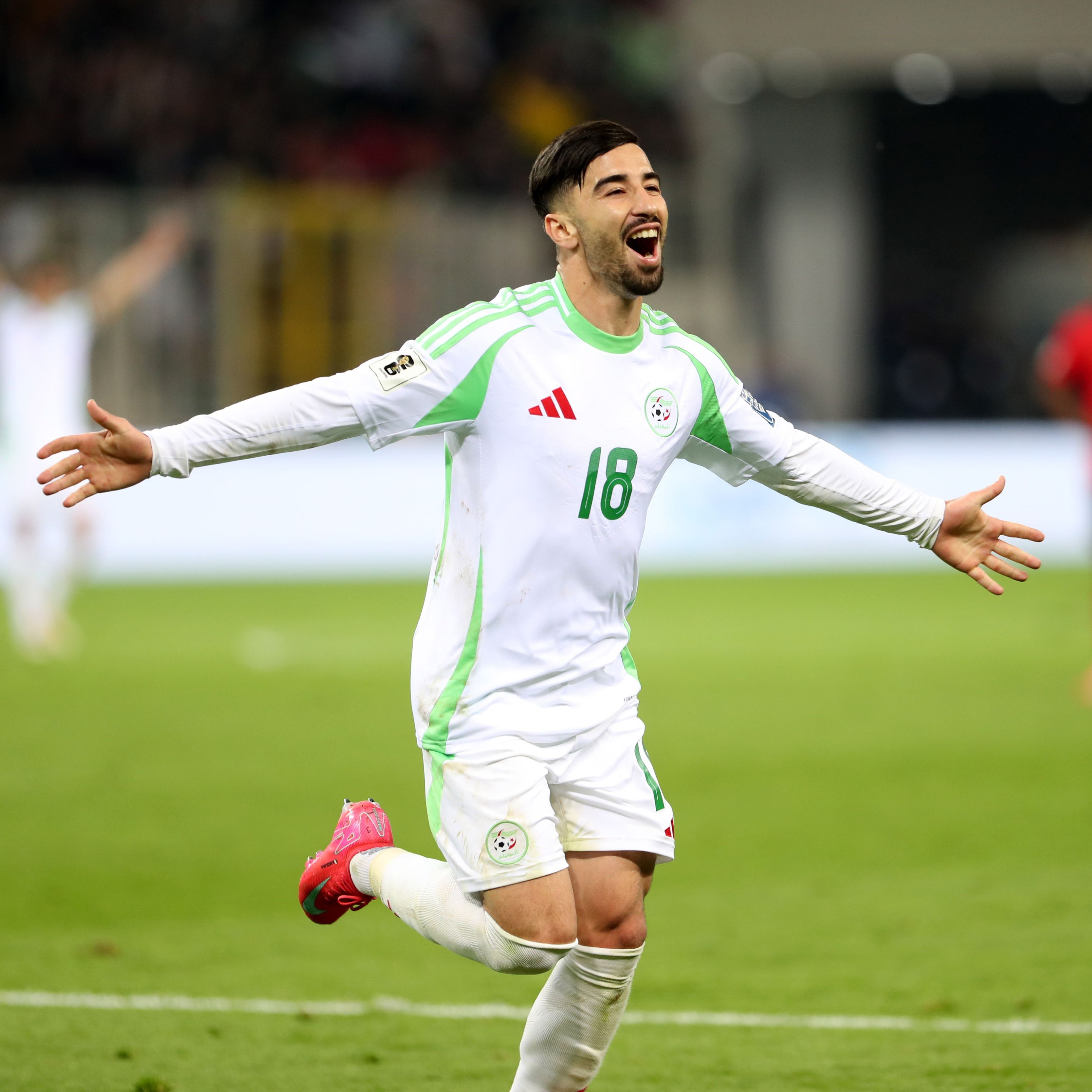
Algeria did not face much difficulties on the way to the 2026 World Cup, as they established themselves as the best team in the seventh group of the African qualifying round.
The Desert Warriors officially clinched qualification after defeating Somalia 3-0 in Round 9, confirming their clear superiority over the rest of the competition.
During the campaign, Algeria recorded eight wins and one draw, with one defeat against Guinea in June 2024. The most notable star was brilliant striker Mohamed Amura, who played a key role in qualifying as he led the group’s top scorers with 10 goals, well ahead of all his rivals.
If Ammoura embodied the bright face of Algeria in qualifying, Algerian fans understand that success at the World Cup requires more than individual brilliance, especially in a short tournament that is unforgiving of mistakes.
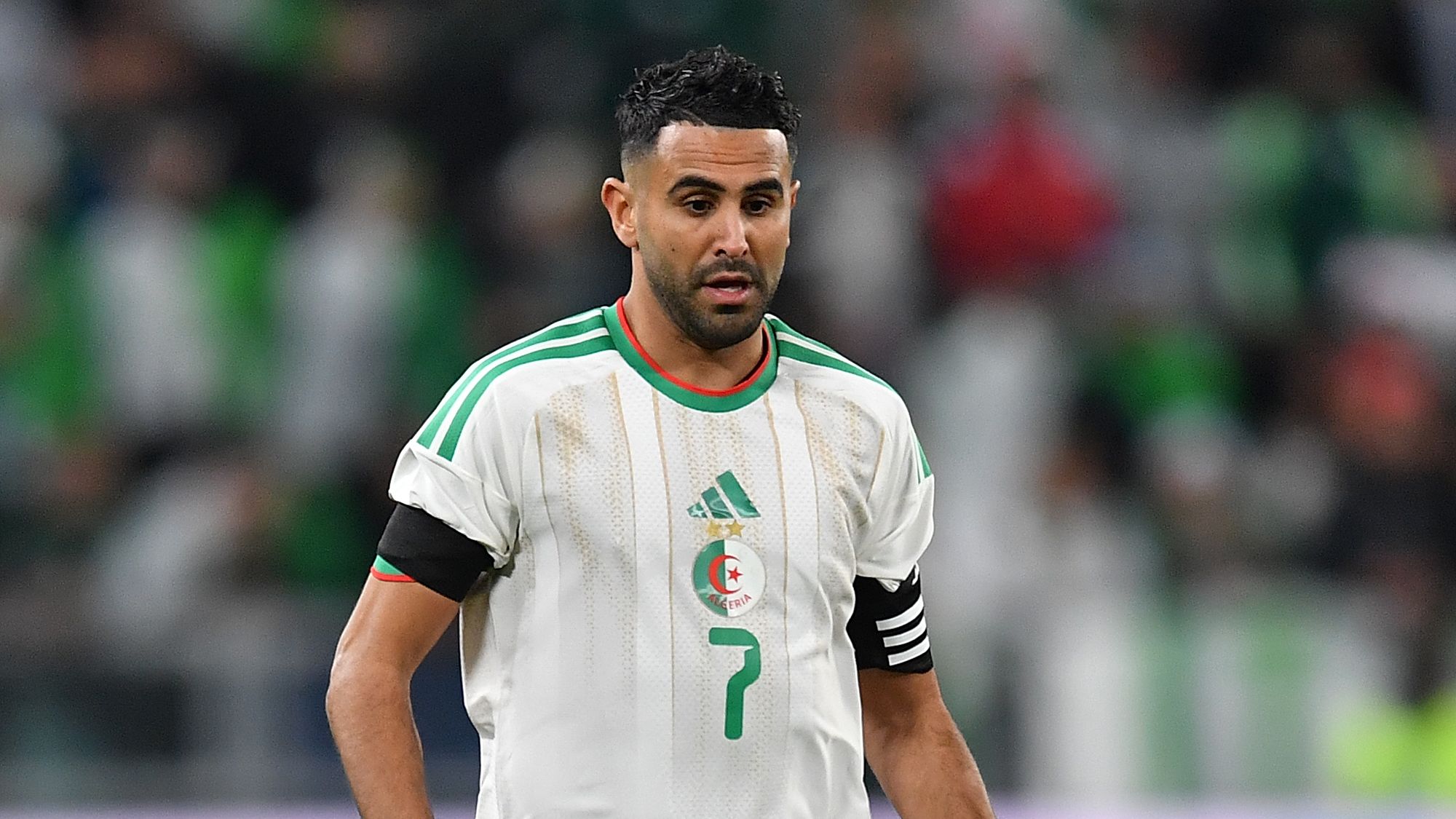
The draw placed Algeria in Group 10 with defending champions Argentina, Jordan and Austria.
The start will be against Argentina, which is special not only because of the value of the opponent, but because it could reveal early on the true level of the Algerian national team and the extent of its ability to compete with the world’s greats.
Then they will meet the Jordanian national team in an Arab match with many complex calculations, before the first round ends with Austria, a European team that has developed a lot in recent years and has become a difficult opponent for any team.
On paper, the competition looks open for Argentina’s second place, but the reality is that Algeria will need to be at their best if they are to qualify.
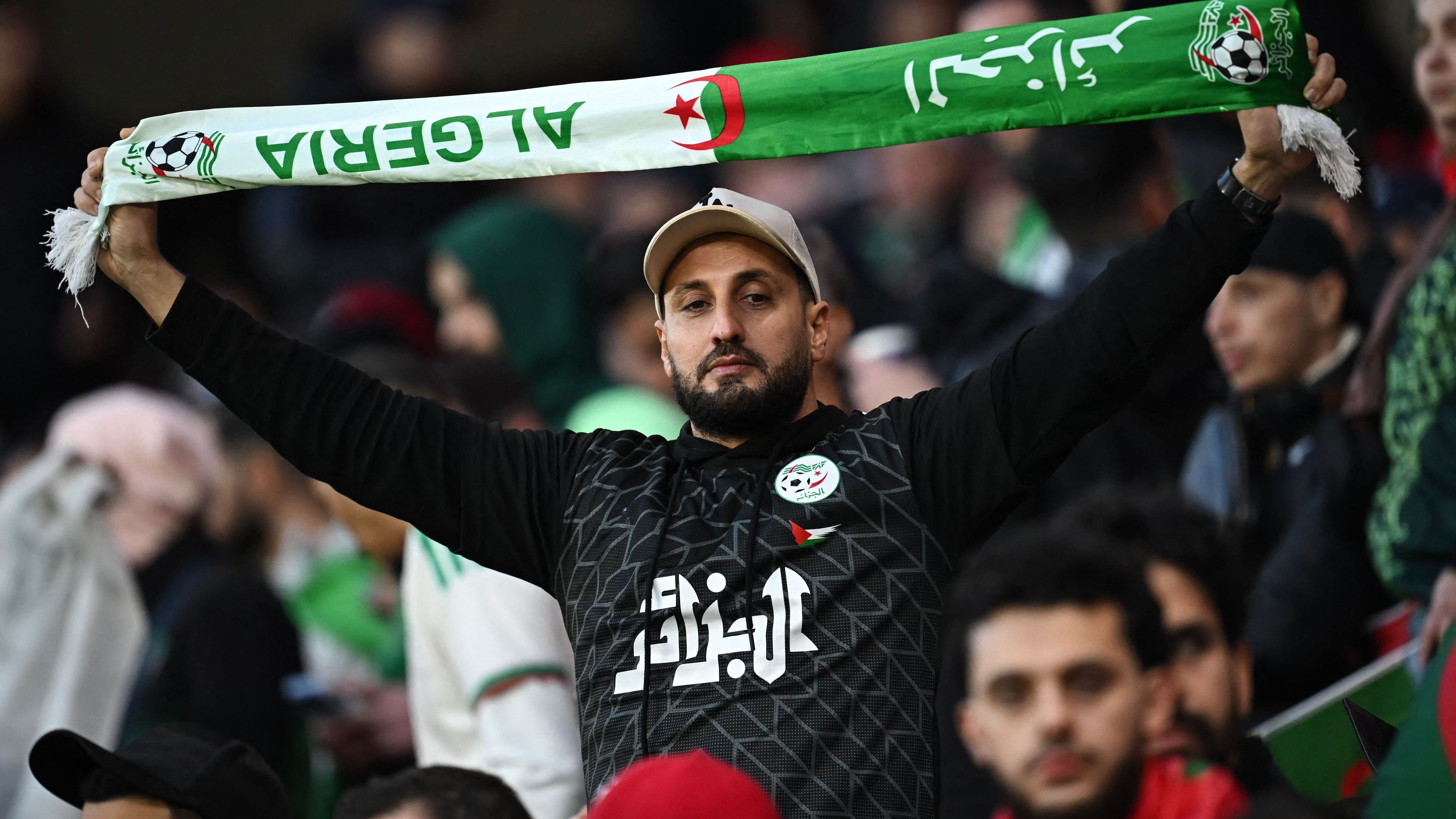
It is difficult to talk about the World Cup and Algeria without returning to the summer of 2014 in Brazil, where the national team wrote one of the most beautiful pages in its history. The Desert Warriors entered the tournament without much pressure, but they quickly developed into one of the most impressive teams.
Despite losing to Belgium in the first match, the team responded strongly to beat South Korea 4-2 in one of the best Arab matches in World Cup history.
A draw with Russia then gave Algeria their first-ever qualification to the round of 16, before a match against Germany turned into a true footballing epic.
Algeria put on an exceptional, heroic performance and managed to force Germany into extra time and even forced goalkeeper Manuel Neuer into one of his best ever matches.
Despite losing in the end, Algeria came out with their heads held high as the world gave a standing ovation to a team that proved the difference between the greats and the ambitious is not always as great as the names suggest.
That team had a distinct personality, a lot of confidence and the ability to keep up with the strongest teams in the world. For this reason, his memory is still firmly present in the collective consciousness of Algerian football.
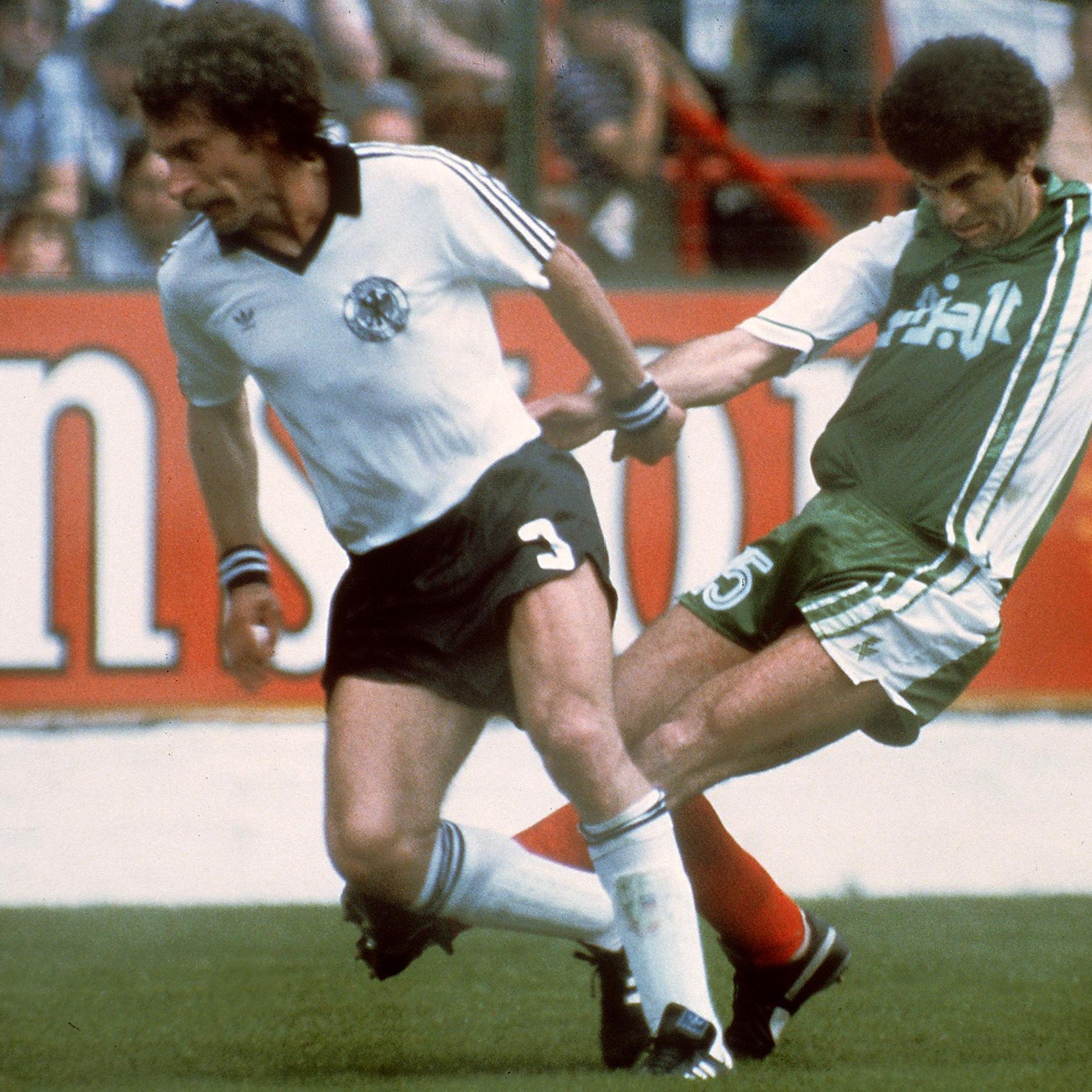
Almost three decades before Brazil’s achievement, Algeria created a historic event in Spain in 1982.
In its first appearance at the World Cup, it surprised the world by defeating West Germany to become the first African team to defeat a European team in a World Cup final.
That victory was not just a sporting result, but rather turned into a pivotal moment in the entire history of African football and cemented Algeria’s image as a team unafraid to take on the big powers.
That edition also saw Rabah Majer score Algeria’s first World Cup goals, years before he became one of the greatest players in Arab and African football history.
Since then, Algeria has always been associated with the idea of challenge and the ability to exceed expectations.
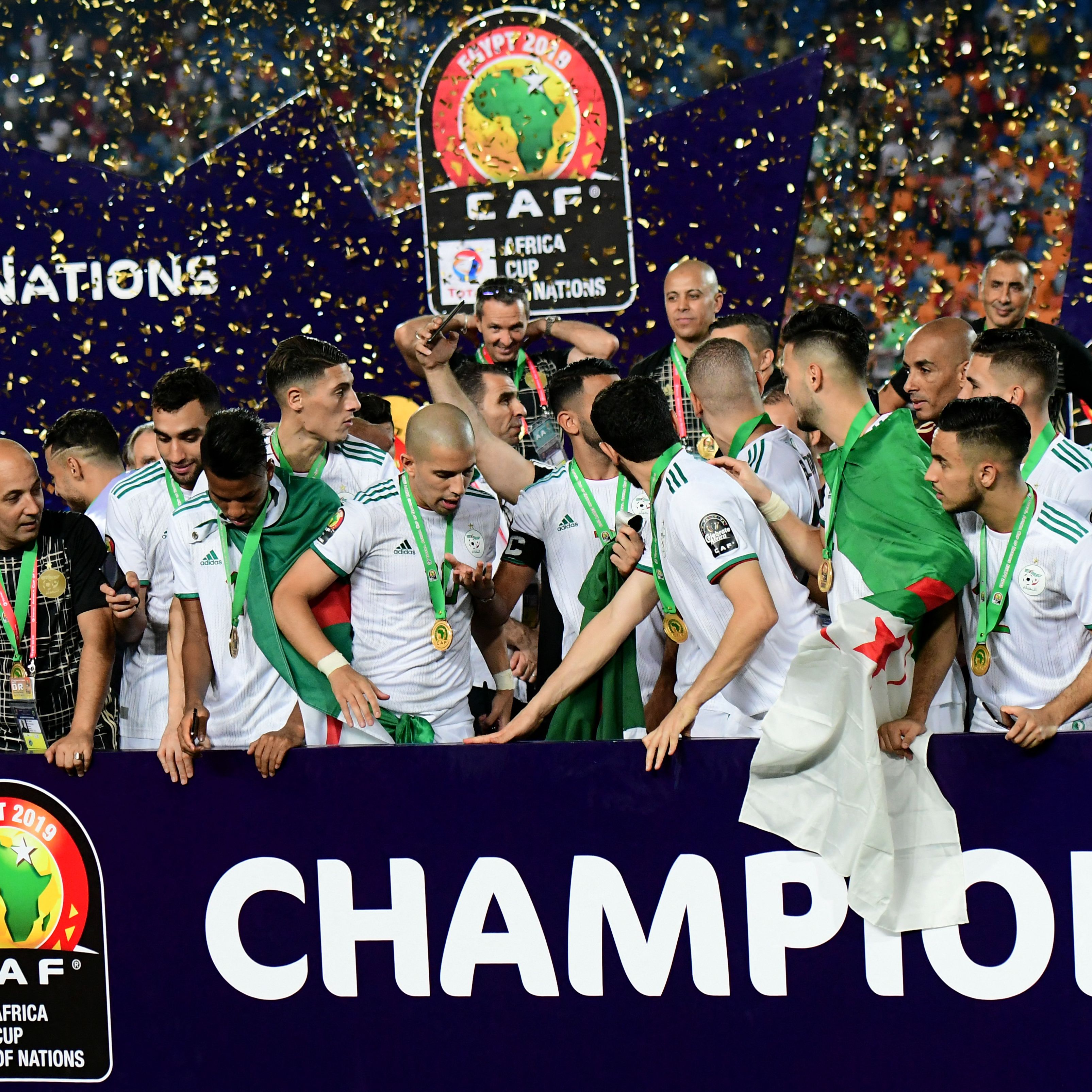
If the 2014 edition represented the global peak of the Algerian national team, winning the 2019 Africa Cup of Nations represents the last moment of complete consensus on the strength of this generation.
In Egypt, the team led by Gamal Belmadi played an exceptional tournament and deservedly won the title after a series of convincing performances and strong results. But the funny thing is that this achievement later turned into a dividing point between two different phases.
After the continental crown, the team was shockingly eliminated from the first round of the 2021 Africa Cup of Nations, then failed to qualify for the 2022 World Cup after a dramatic display against Cameroon, before also receiving a first-round bye to the 2023 continental championship.
These results revealed a gap between the image of the team and what it actually represents inside the green rectangle. Algeria still sees itself as one of the continent’s giants, but results in recent years have not always matched this status.
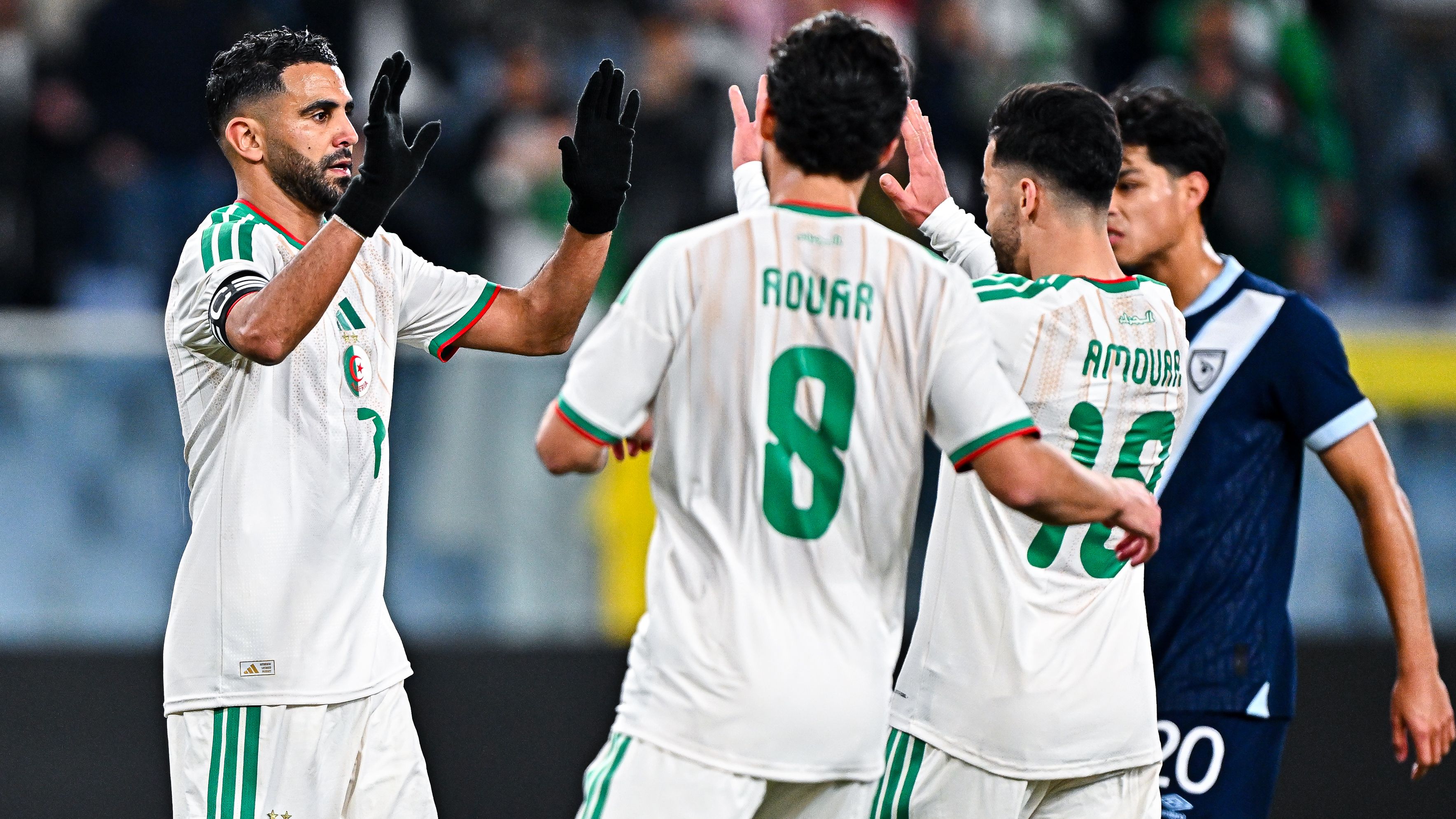
Here is the main problem before the 2026 World Cup. Algeria has a venerable history, exceptional fans and names that can make a difference. But at the same time, it enters the tournament without much fanfare among the nominated teams, as was the case in 2014.
There is a clear difference between a team that scares its rivals with what it currently has to offer, and a team that derives much of its reputation from memories of the past. This does not mean to underestimate the value of the Algerian national team, on the contrary. Perhaps the biggest advantage this team has is that it still manages to rewrite history again.
Great teams are not only measured by what they have achieved in the past, but rather by their ability to renew themselves when others think their time is up. That is why the Desert Warriors enter the 2026 World Cup with a rare opportunity to prove that the glories of 1982 and 2014 are not just fond memories, and that the 2019 African Nations title was not the last stop on the road for a team that always gets back up after falling.
The question remains open until the starting whistle. Are we in America looking at a new version of the Algeria that once stunned the world? Or will the team be content to rely more on the reputation of a name built in the past than the present? The answer will come from the stadiums, where there is no room for memories, no value for names and no voice rising above the truth imposed by ninety minutes.



