Physical Address
304 North Cardinal St.
Dorchester Center, MA 02124
Physical Address
304 North Cardinal St.
Dorchester Center, MA 02124
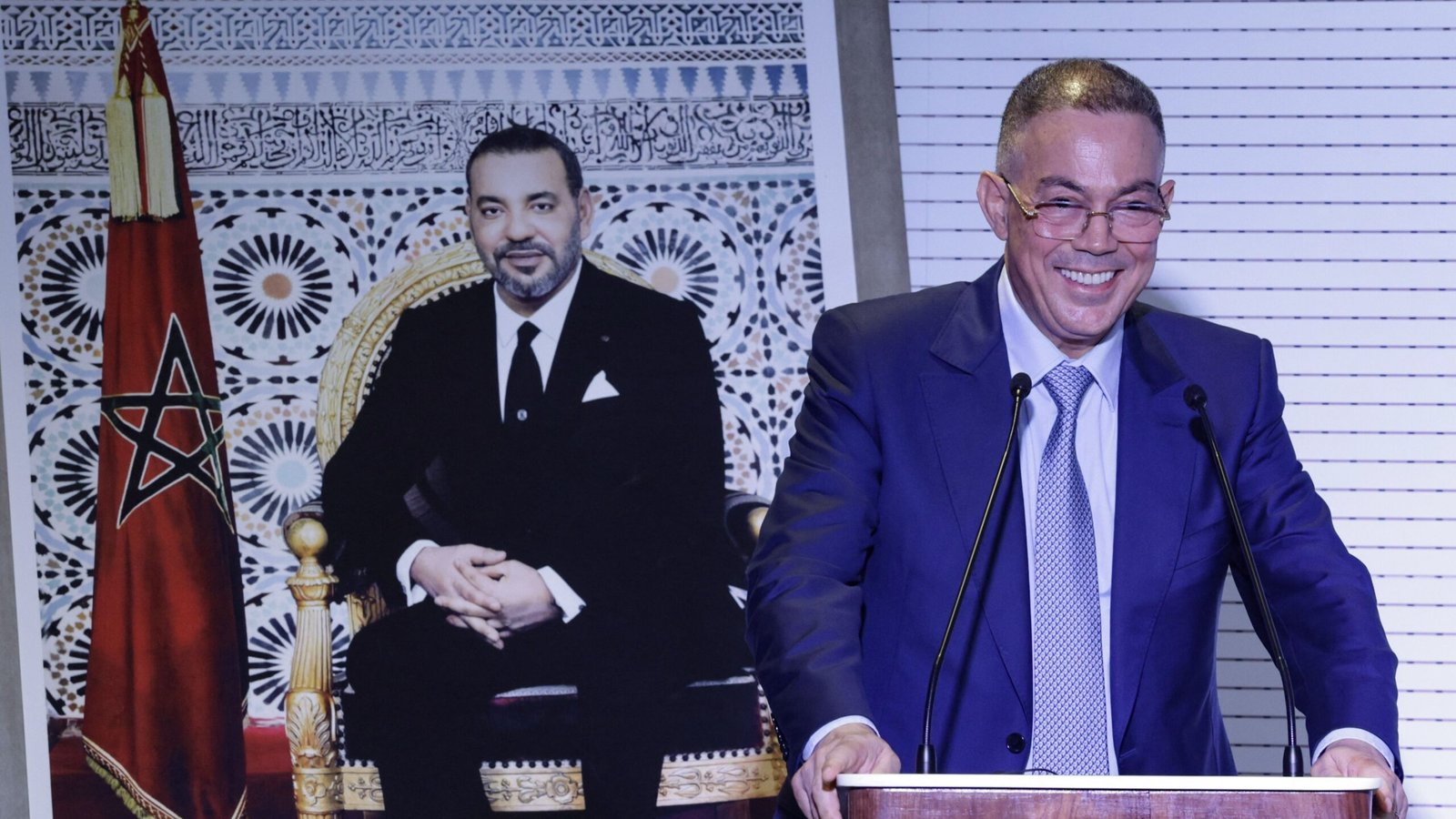
Morocco plans to increase its hotel capacity by about 60,000 additional beds by the time of the 2030 World Cup, equivalent to about a fifth of the country’s current hotel capacity, according to a statement by Moroccan Tourism Minister Fatima Zahraa Amor.
Morocco has been a media and sports sensation since reaching the quarter-finals of the 2022 World Cup, after becoming the first African and Arab team to reach the World Cup semi-finals four years ago.
Moroccan officials are looking to use this renewed interest to reap long-term benefits for the tourism industry, which provides hundreds of thousands of jobs for Moroccans and contributes about 7% of the country’s gross domestic product.
Tourism Minister Fatima Zahra Amor said in a statement to the agency Reuters: “We see the 2030 World Cup as an accelerator of development, not an end in itself.”
The Moroccan government is investing more than $20 billion in projects to build and expand railways, roads, airports, stadiums and other infrastructure in preparation for the tournament, which Morocco is hosting in partnership with Spain and Portugal.
Official data showed that Morocco has already added 45,000 hotel beds over the past four years, bringing the total current capacity to more than 300,000 beds.
The tourism minister added that the “next phase of growth” will focus on increasing the number of tourists arriving from China, the US and the Middle East by improving air connectivity and expanding the international flight network.
At the same time, Morocco is working to diversify its tourist destinations and not limit itself to traditional cities such as Marrakesh and Agadir.
This strategy includes turning the capital, Rabat, with its ancient historical monuments, museums and sports facilities into a major center for cultural and sporting events and business trips.
Fatima Zahra Ammor concluded her speech by saying: “We need to make investments that create sustainable, long-term value for Moroccan tourism.”



