Physical Address
304 North Cardinal St.
Dorchester Center, MA 02124
Physical Address
304 North Cardinal St.
Dorchester Center, MA 02124
Read and analyze the reasons for Egyptians’ overwhelming joy in international participation
When Morocco made history at the 2022 World Cup by reaching the semi-finals, the scale of the celebrations in Morocco and the Arab world was unsurprising as the Atlas Lions became the first Arab and African team to reach this stage in the tournament’s history.
Just 4 years later, Morocco returned to confirm their position among the world leaders by reaching the quarter-finals of the 2026 World Cup, a new achievement that reinforces their presence among the elite of international teams.
However, the scene looked different in Egypt, where the U.S.’s return from a last-eight exit was met with widespread celebration and an exceptional official and popular reception, although on paper the achievement did not match that of the Moroccan team and did not surpass some previous African achievements.
In the following lines, we try to shed light on this paradox.
If the comparison is limited to numbers, Morocco remains the highest achiever of Arabs and Africans in the history of the World Cup, reaching the semi-finals in 2022 and the quarter-finals in the following match.
Ghana, Cameroon and Senegal have also reached the same stage before, while Algeria reached the eighth final at the 2014 World Cup and played one of the most exciting games against Germany, who went on to win the title.
From this point of view, Egypt’s exit to the round of 16 does not make it the best Arab or African achievement in the history of the tournament, which means that the interpretation of the Egyptian celebrations cannot depend only on the sequence of achievements, but on other circumstances, the participation of which is of exceptional value for the Egyptians.
The first of these reasons is that the Egyptian team achieved something that had never been done before in a World Cup. After many years of absence or early exit, the Pharaohs managed to get past the group stage for the first time, and then qualified for the round of 16, having the best participation in the World Cup in their history.
Herein may lie the difference between the Egyptian and Moroccan experiences.
Morocco entered the 2026 World Cup carrying a storied legacy forged in Qatar, with its fans believing in their country’s national team’s ability to compete with the greats.
As for Egypt, this achievement came after decades of disappointment, so it felt like a historic moment that changed the Egyptians’ view of their team, more than it changed their standing in the World Cup records.
Making it to the last 16 wasn’t just something to be proud of, but how the team exited the tournament.
Against Argentina, the Pharaohs took a two-goal lead and put one of the title’s most prominent contenders on the brink of elimination, before Lionel Messi and his team-mates managed to turn the score around to win 3-2 in a dramatic match.
This match gave the impression that the Egyptian team was not just a team that had advanced, but a team that could actually go further.
Therefore, in the eyes of many dreamers, the defeat turned into a painful end of an adventure worth continuing, and not just a natural exit in front of the main competitor.
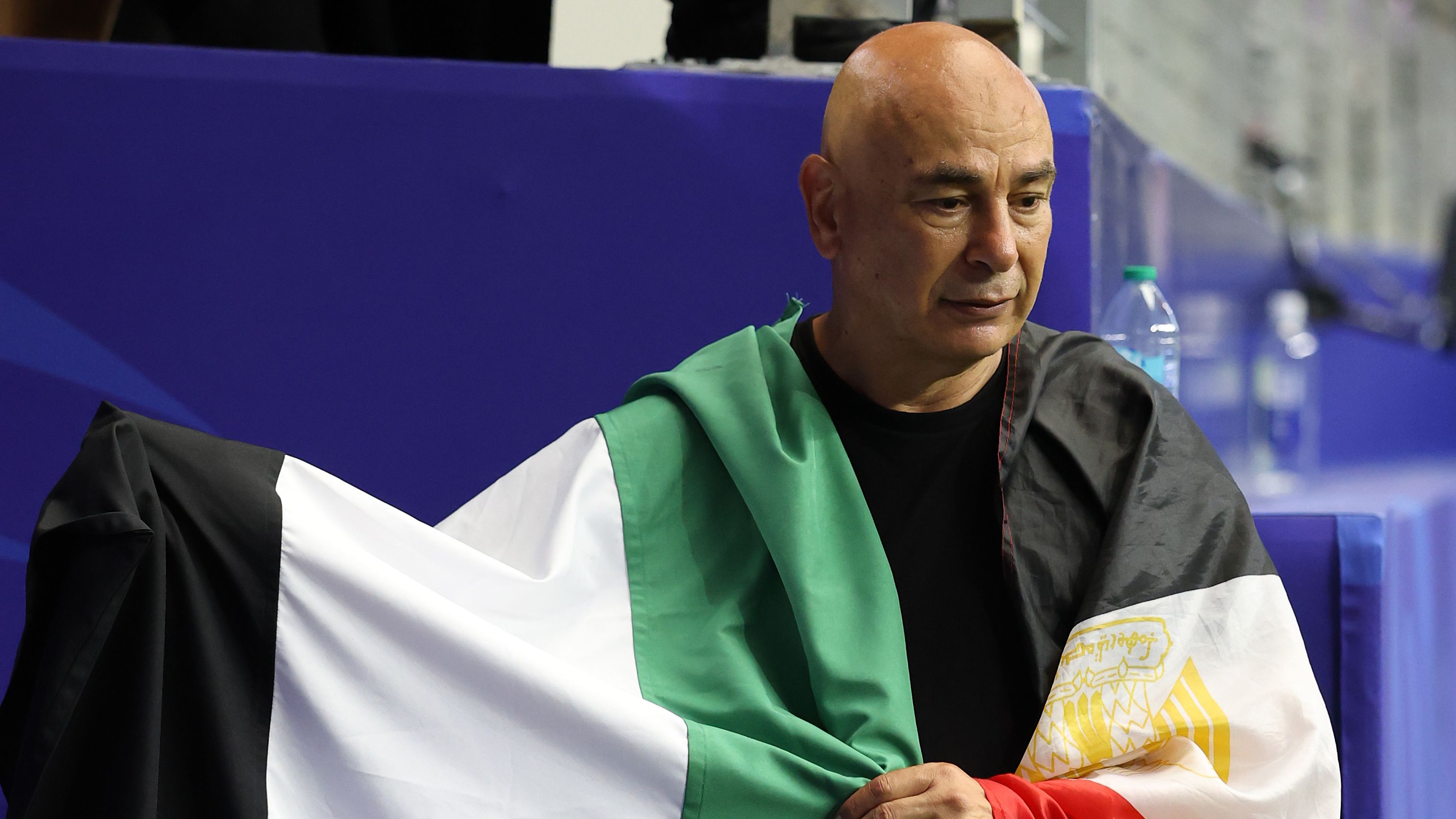
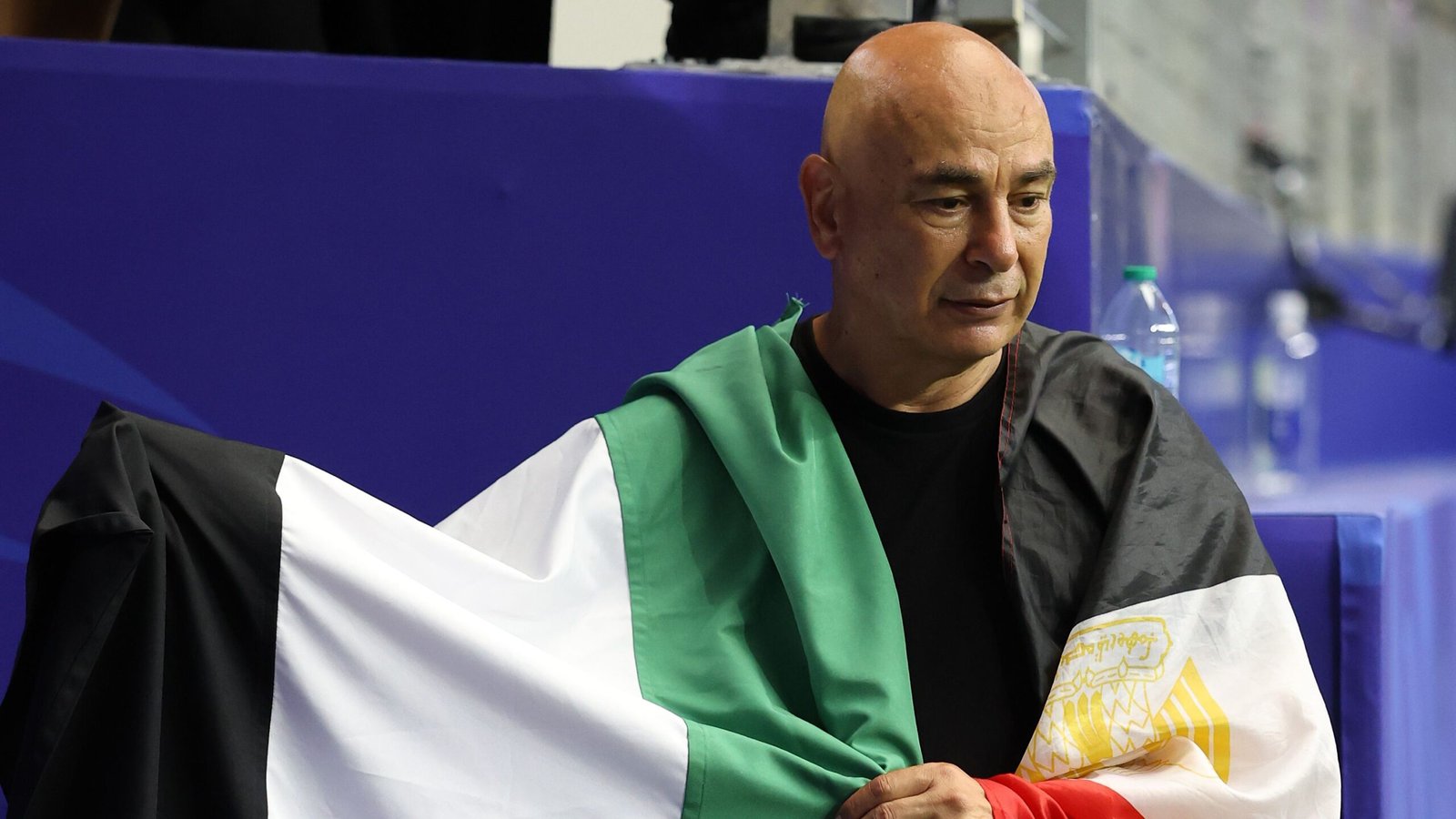
Egypt’s participation took on a different dimension thanks to the personality of technical director Hossam Hassan, who more than once took the lead by raising the Palestinian flag after the win against Australia, in addition to his repeated declarations of support for Gaza.
These positions gave the team a presence that went beyond football to the masses and turned its success into a story associated with many patriotic and philanthropic sentiments, contributing to the growing popular support around the team throughout the tournament.
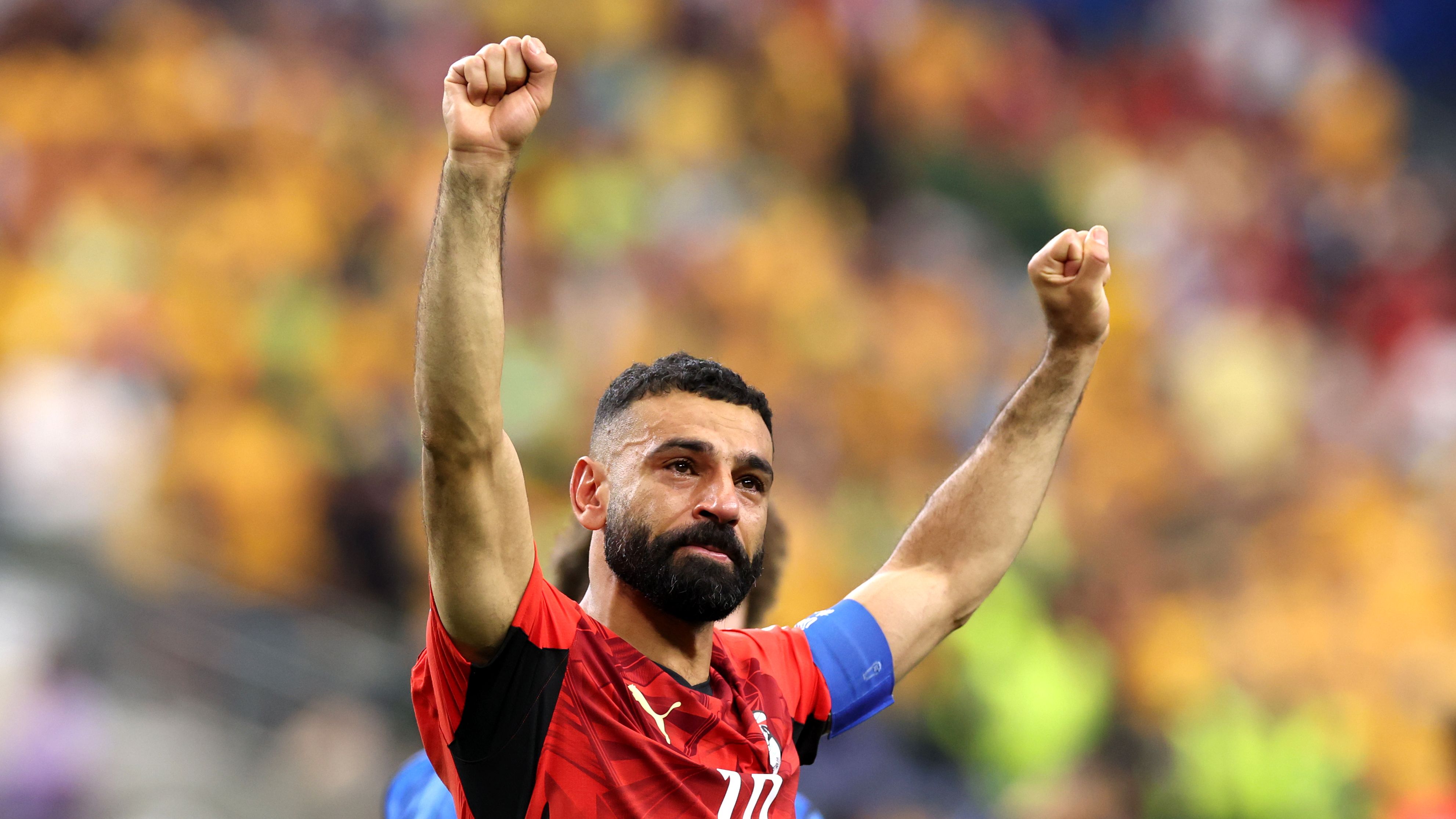
The tournament was also a turning point in Mohamed Salah’s career with the Egyptian national team. Despite his exceptional career with Liverpool, the Pharaohs captain continued to be criticized for his lack of major achievements with his country’s national team, particularly after losing two Africa Cup of Nations finals and missing out on the 2022 World Cup.
But the 2026 edition presented Salah in a different way after he led the national team to its best participation in its history and left a clear mark on the road that led many to look at him as a leader who could finally write an exceptional chapter in the national team shirt.
The level of support around the team grew with a large section of fans feeling that the game against Argentina witnessed refereeing decisions that favored the tango dancers.
This impression was reinforced by the statements of Hossam Hassan and a number of players, in addition to the official protest filed by the Egyptian Football Association, as well as extensive media and social movements in this direction on television and social networks.
This explains an important part of the public’s reaction, as many believed that the Pharaohs deserved a better chance to go on, which doubled the sympathy for the players and the technical staff.
The official celebrations added a new dimension to the scene after Egyptian President Abdel Fattah El-Sisi received the delegation of the national team and the players and technical staff were honored and some of them received expensive gifts from various quarters in appreciation of the historic participation in what is considered to be the fame of Egyptian football.
Although Arab and African teams have achieved greater results at the World Cup, the Egyptian scene reflects the belief that the value of achievement is measured not only by the stage a team reaches, but rather by the impact it has on society.
Some observers believe that the scale of the celebrations exceeded the value of the sporting achievement, noting that Morocco reached the semi-finals and then the quarter-finals, and that Ghana, Cameroon and Senegal reached the quarter-finals, and Algeria made a historic appearance at the 2014 World Cup without incident.
On the other hand, fans of the Egyptian national team can respond that every attempt has its own context and that the fans are not just celebrating reaching the last 16, but overcoming a historic barrier and a performance that convinces Egyptians that their team can now compete with the world leaders, in addition to the popularity that the team has gained during its career.
The results of the 2026 World Cup may not put Egypt at the forefront of African achievement, and Morocco’s experience in Qatar may remain the defining feature of Arab football history, but football is not always measured by the ranking of teams in the tournament’s records.
Sometimes, the impact of achievements within a country is greater than its size on paper.
Perhaps, therefore, Egypt’s stand was not just a celebration of the round of 16, but rather a moment when millions felt their team had broken the shackles of the past, restored confidence in its ability to compete with the greats, and opened the door to ambitions that until recently seemed closer to dream than reality.
After Egypt’s protest…FIFA’s first decision on the referee for the Argentina match
Video: Hossam Hassan The reason… Loud celebrations in Tel Aviv for Argentina’s victory over Egypt.
Infantino announces a big surprise regarding the 2030 World Cup



