Physical Address
304 North Cardinal St.
Dorchester Center, MA 02124
Physical Address
304 North Cardinal St.
Dorchester Center, MA 02124

Red cards and strict rules.
Fédération Internationale de Football Association (FIFA) has approved new refereeing rules and changes that will apply during the 2026 World Cup, which is scheduled to begin in a few days in the United States of America, Canada and Mexico.
FIFA explained that these changes are mainly aimed at reducing time-wasting, increasing discipline on the pitch and combating unsportsmanlike conduct, based on situations observed in continental and international tournaments in the past.
The chairman of the FIFA Referees Committee, the famous former Italian referee Pierluigi Collina, revealed the most prominent new rules used in the tournament during a press conference.

Colina confirmed that referees will show a red card to any player who deliberately covers his mouth with his hands, shirt or any other means while engaging in an argument or confrontation with an opponent.
The chairman of the referees’ committee explained that the decision will not be applied in all cases, but is limited to situations involving direct confrontations or disputes between players, adding:
Resolution background
The change follows an incident during the first leg of the Champions League play-off between Benfica and Real Madrid last February, which sparked widespread controversy.
Benfica’s Argentinian player Gianluca Pristiani was accused of racially abusing Brazilian Vinicius Junior, but the player covered his mouth with a t-shirt during the altercation, making it difficult to determine what he said.
Although he was allowed to finish the match at the time, FIFA later decided to extend his ban to six matches to include international tournaments.
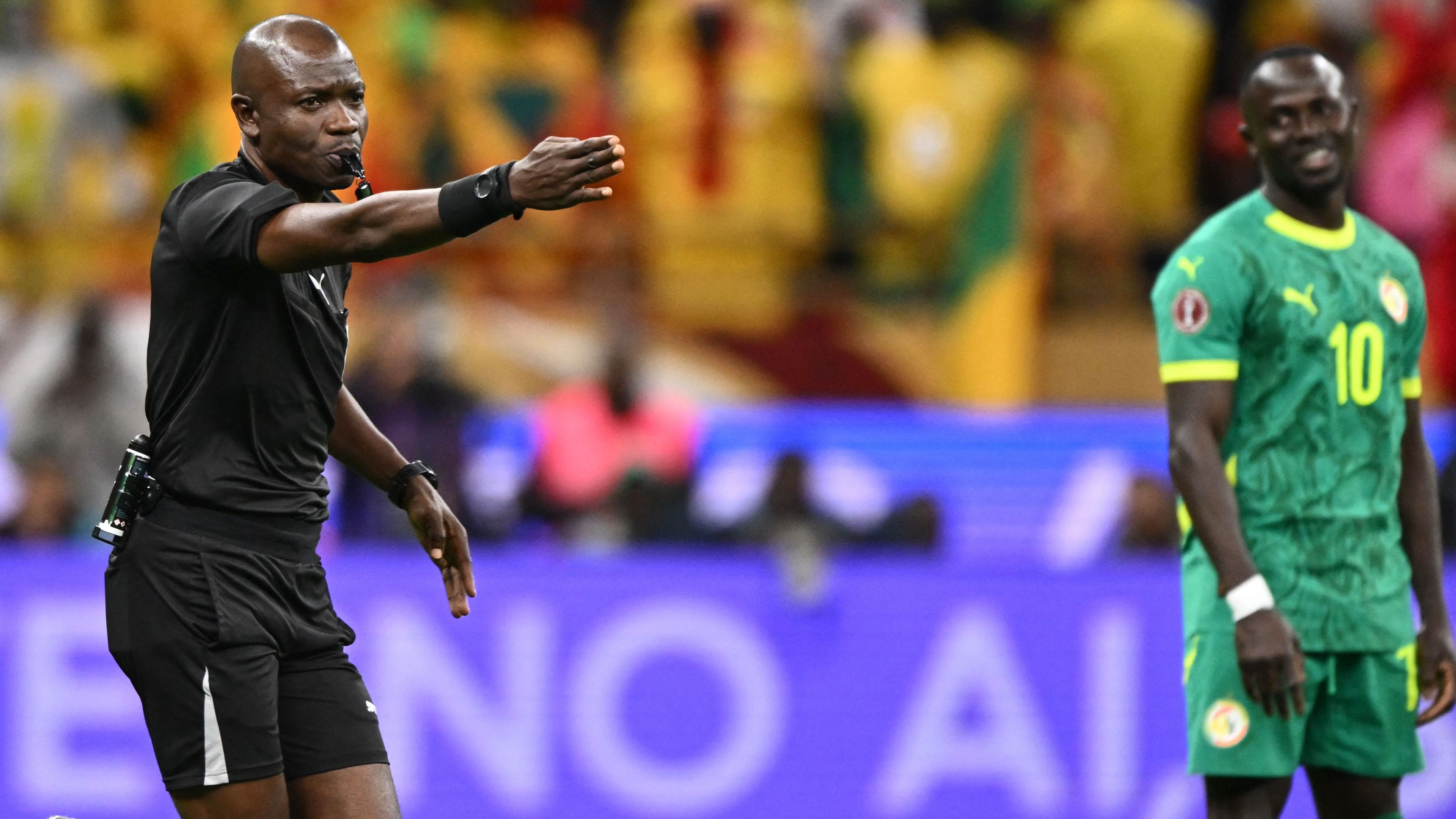
The new changes also give referees the power to send off any player who decides to leave the pitch in protest against a refereeing decision.
The same penalty will also apply to any member of the technical staff who incites players to come on or leave the pitch in response to the referee’s decisions.
Resolution background
FIFA based the decision on the events of the Africa Cup of Nations final, when Senegal’s players walked off the field at the behest of their coach, Pape Tiau, in protest against controversial refereeing decisions during the match against Morocco.
Despite the return and completion of the match, the case later reached the Court of Arbitration for Sport, which ruled that the Moroccan national team was the rightful champion of the tournament.
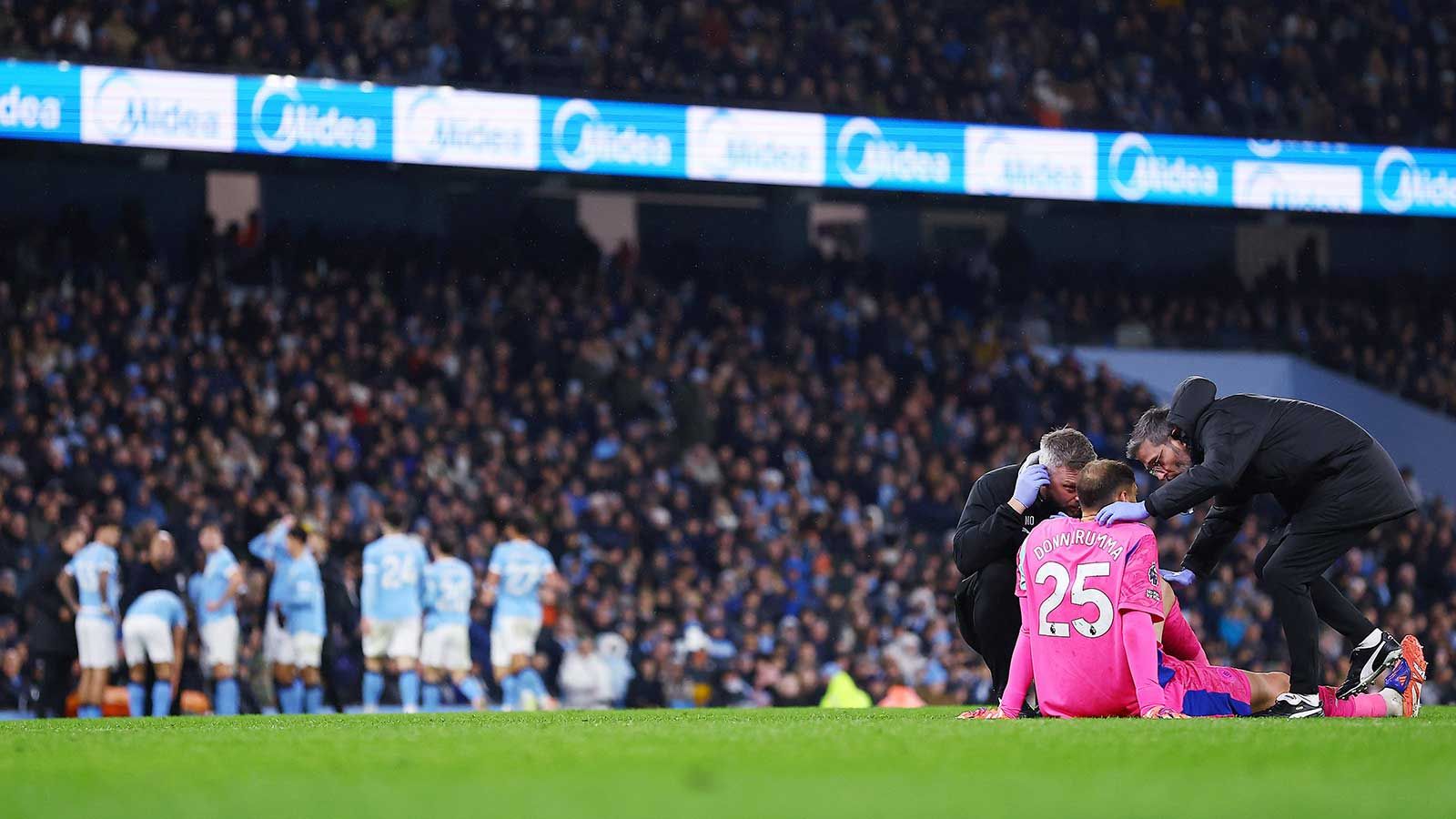
In the context of tackling time-wasting practices, FIFA stressed that players are not allowed to travel to the technical area to speak to coaches while goalkeepers are receiving treatment on the pitch.
The tournament’s medical regulations also stipulate that any player receiving treatment on the field must leave it for 60 seconds before being allowed to return to the field.
Colina emphasized that the International Federation also relies on the players’ cooperation and respect for the spirit of the game to reduce this phenomenon.
Resolution background
There has been some criticism in recent months of the behavior of some goalkeepers who feign injury to allow coaches to conduct quick meetings with players during stoppages.
Last November, Leeds United manager Daniel Farke accused Manchester City goalkeeper Gianluigi Donnarumma of going overboard, claiming he was injured to stop the game and allow his team to receive technical instructions.
These cases often begin with the goalkeeper sitting on the pitch and calling for medical staff before the players gather in the technical area to listen to the coach’s instructions, and then after the quick match is over, the goalkeeper returns to continue the match as normal.
Colina also announced a number of new measures aimed at speeding up the pace of play and reducing wasted time during games.
Referees will be allowed to use a five-second countdown when taking goal kicks and throw-ins. If a goal kick is not taken within the specified time, a corner kick is awarded to the opposing team, and a throw-in is awarded to the other team if it is not taken within the same time period.
Colina noted that umpires will retain discretion in some cases, explaining that a player who specializes in long throws, for example, may need extra time to get to the right spot, and therefore the countdown will not automatically apply in all situations.
Another key change is the expansion of the powers of the Video Assistant Referee (VAR) technology so that it can review second yellow card cases that lead to sending off, in addition to reviewing wrong decisions related to the awarding of corner kicks.
The move comes as part of the International Federation’s efforts to reduce high-profile refereeing errors and ensure maximum fairness at the 2026 World Cup.



