Physical Address
304 North Cardinal St.
Dorchester Center, MA 02124
Physical Address
304 North Cardinal St.
Dorchester Center, MA 02124
The night I stole something from the World Cup
The 2026 World Cup Final was not just a game that decided the world champion, but it turned into a huge entertainment event that combined sports, politics, art and content creation. From the first moments fans arrived at MetLife Stadium in New Jersey, it was clear that FIFA wanted to present a different version of the final game, inspired by the American Super Bowl model, in an attempt to create a global event that transcends the borders of football.
Despite the organizational success and visual dazzle that accompanied the final, many saw that football itself was no longer the hero of the spectacle, after artistic performances, celebrities and parades dominated most of the day’s details, so the tournament opened the door wide to discussions about the future of the World Cup’s identity.
Long before the start of the game, the audience was closer to an entertainment festival than to the final of a football tournament. The stadium was filled with visual performances and lighting effects, while a number of music stars and content creators took to the stage in an unfamiliar scene for World Cup fans.
Famous YouTuber iShowSpeed was one of the most popular participants as he introduced the show before a number of international artists followed him amid dance performances and huge light games, with a clear message that FIFA wants to present a final that is different from all previous versions.
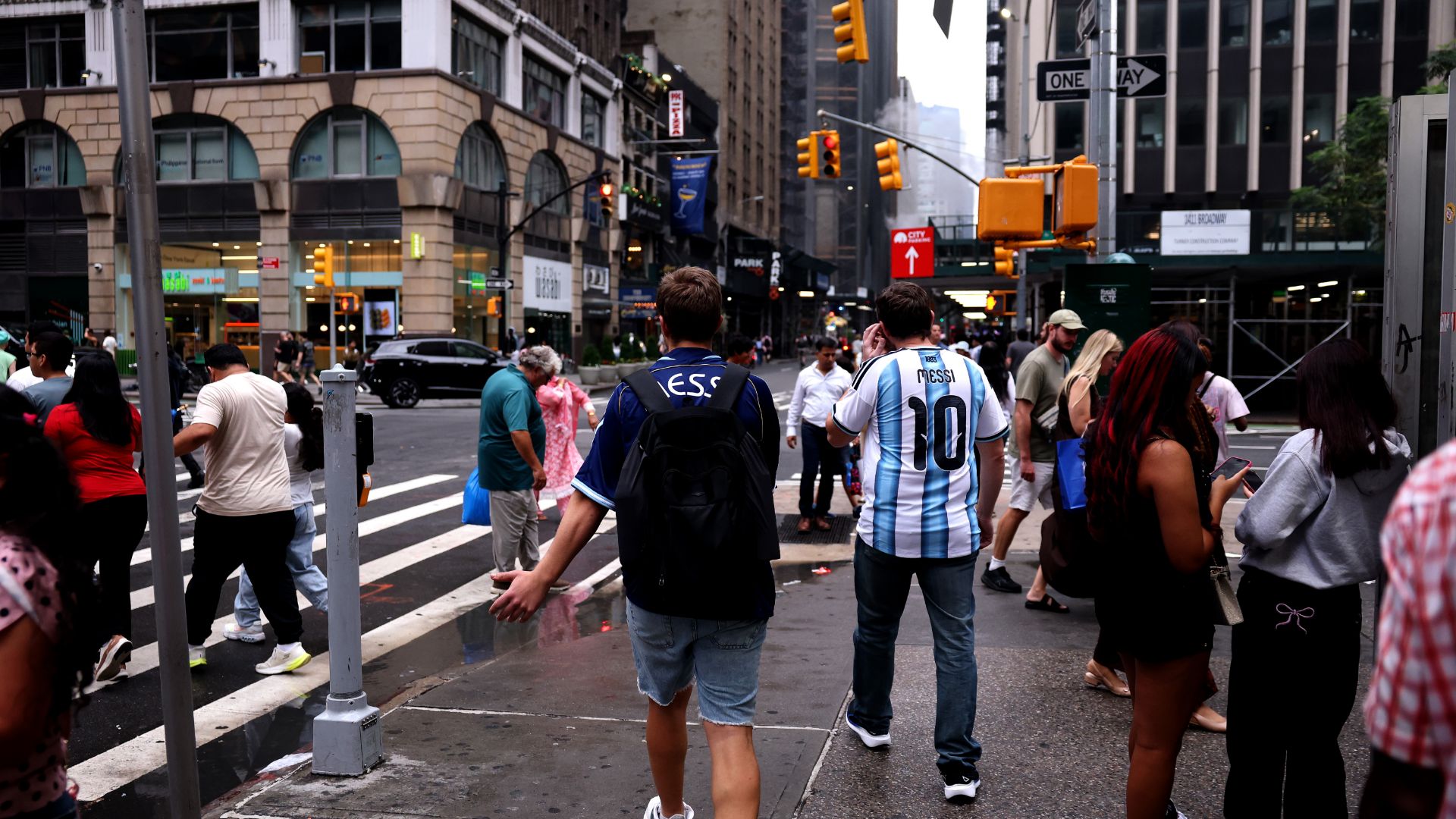
The sight was not surprising after FIFA president Gianni Infantino has repeatedly spoken in recent months about his desire to make the World Cup an event comparable to the Super Cup in terms of crowds and media exposure.
For this reason, the final witnessed unprecedented opening ceremonies, along with numerous musical performances, technical demonstrations and a huge production, in an attempt to attract new audiences, especially in the United States, which is hosting the tournament for the first time in an expanded system.
The presence of a large number of international figures increased media interest in the final, with US President Donald Trump in attendance, along with Colombian singer Shakira, Canadian star Justin Bieber and a host of arts and sports stars and content creators.
Famous names also took part in the presentation of parts of the celebration, and the stands of the stadium were transformed into a platform that brought together football stars and celebrities in a scene that reflects the new vision that FIFA is striving to bring together.
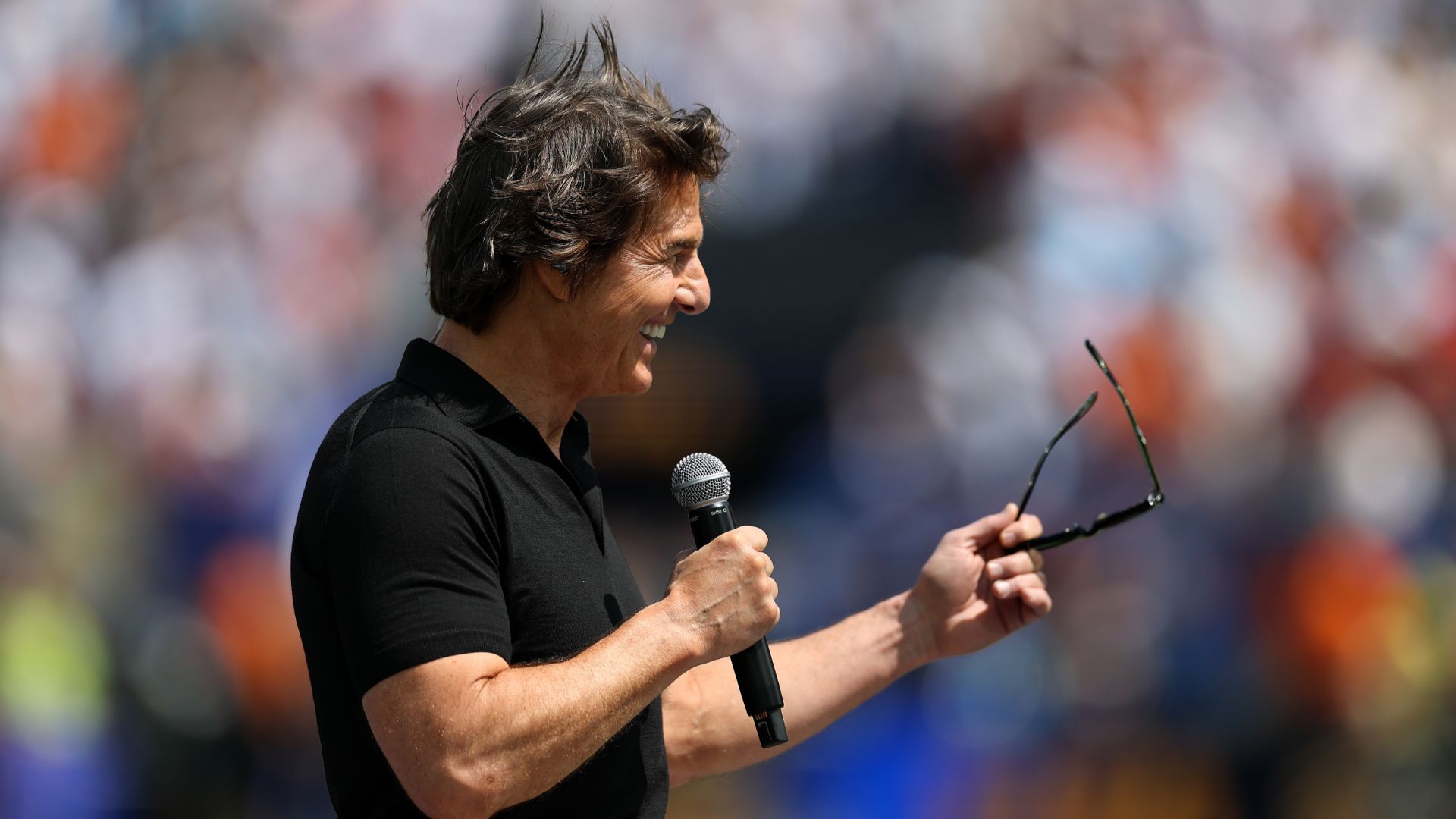
For the second time in a year, FIFA decided to organize a huge art show between the breaks of the final match, similar to what happens in the Super Bowl.
The show saw the participation of a host of international artists, but reactions were mixed, with many fans feeling that the half-time period was too long and affected the rhythm of the match, while others felt that the shows were out of touch with the nature of football.
The singing performance of some of the stars also drew criticism, while observers saw the concert as lacking the element that makes Super Bowl performances exceptional despite the massive production.
Controversy returned during the coronation ceremony with the appearance of US President Donald Trump at the podium, where he participated in the medal presentation and exchanged conversations with a number of players before standing near the podium to raise the trophy.
The sight has gone viral on social media, especially after his repeated appearances at major football events recently.
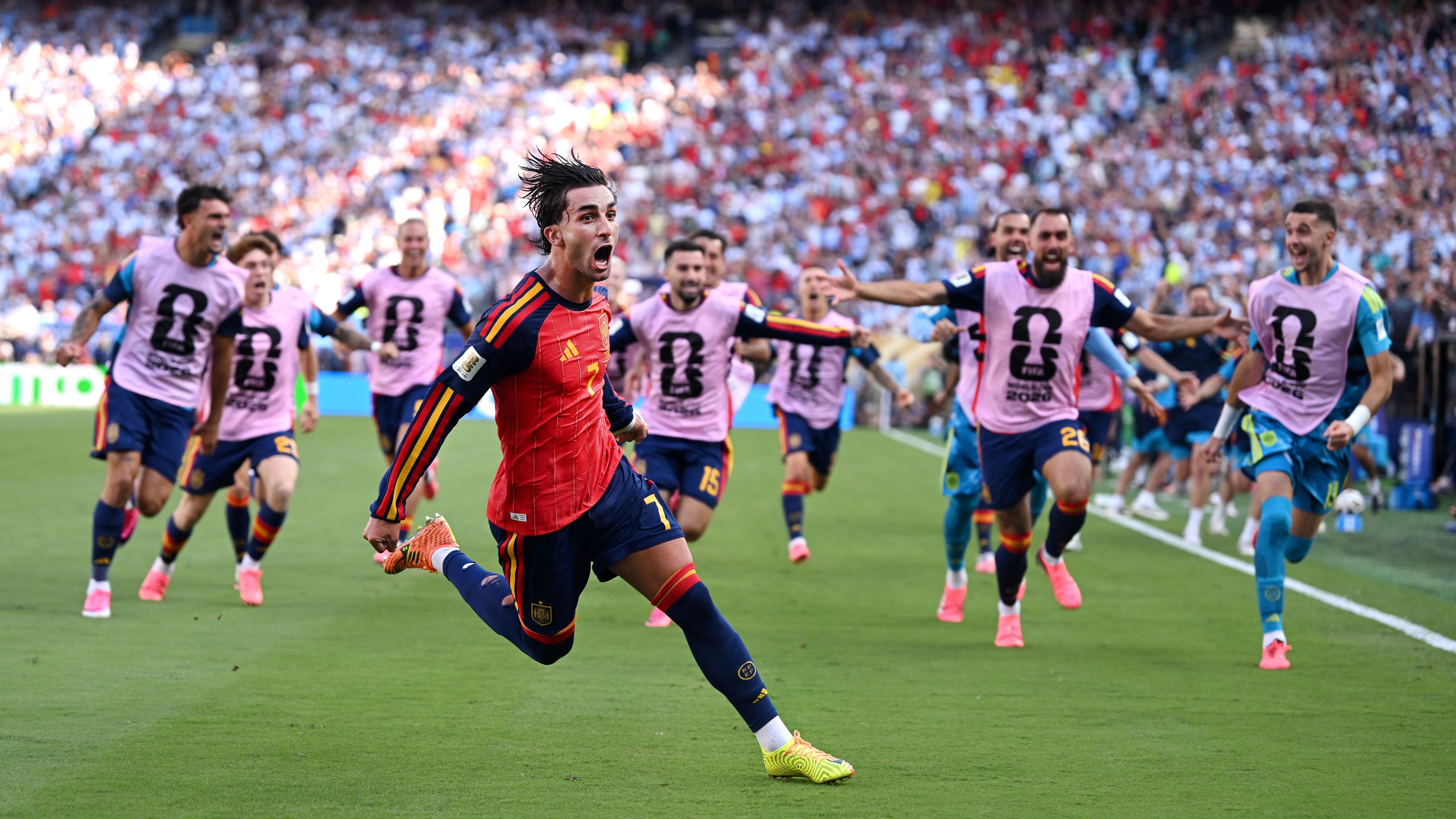
The match on the field was completely different from the surrounding atmosphere. Spain imposed their style based on possession and short passing, while Argentina relied on defensive organization and tried to use Lionel Messi’s experience on counter-attacks.
Despite the Spaniards controlling the ball, the team struggled to find the back of the net while Argentina looked limited offensively, so the tie remained until extra time.
In the 106th minute, Spain finally managed to decipher Argentina’s defense, scoring the winning goal that won the World Cup for the second time in its history.
The game also witnessed many furious interventions amid criticism of the referee for being lenient with some fouls in regulation time. The referee did not show the red card until extra time after a strong intervention by Enzo Fernandez, a decision which Argentina coach Lionel Scaloni later admitted was deserved.
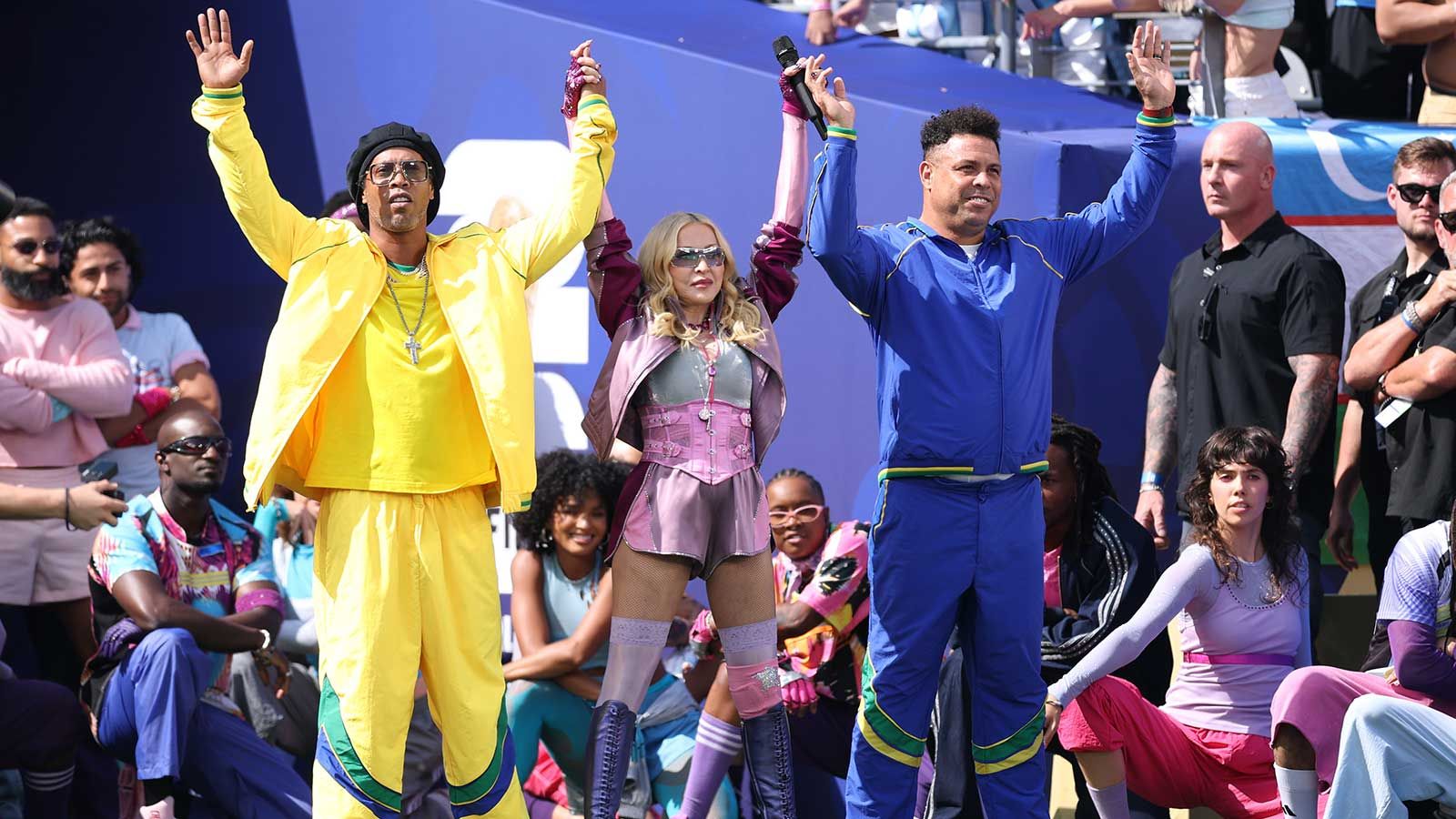
Although the final was able to attract unprecedented global attention, many observers saw the event as revealing a gradual shift in the philosophy of organizing the World Cup, reports the “Site” website.Jules“.
Between concerts, celebrity appearances, content creators and fireworks, it seemed as if football was no longer the only focus, but part of a huge entertainment system aimed at creating an all-encompassing global event.
Supporters of the trend believe it helps expand the game’s popularity and attract new audiences, while others fear overexposure will dilute the tournament’s identity, gradually turning it into another American pastime.
In the end, Spain will still remember the historic night when they added a second star to their shirt, but the 2026 World Cup final will also remain one of the most controversial finals, not because of what happened inside the green rectangle, but because of what happened outside it.



