Physical Address
304 North Cardinal St.
Dorchester Center, MA 02124
Physical Address
304 North Cardinal St.
Dorchester Center, MA 02124
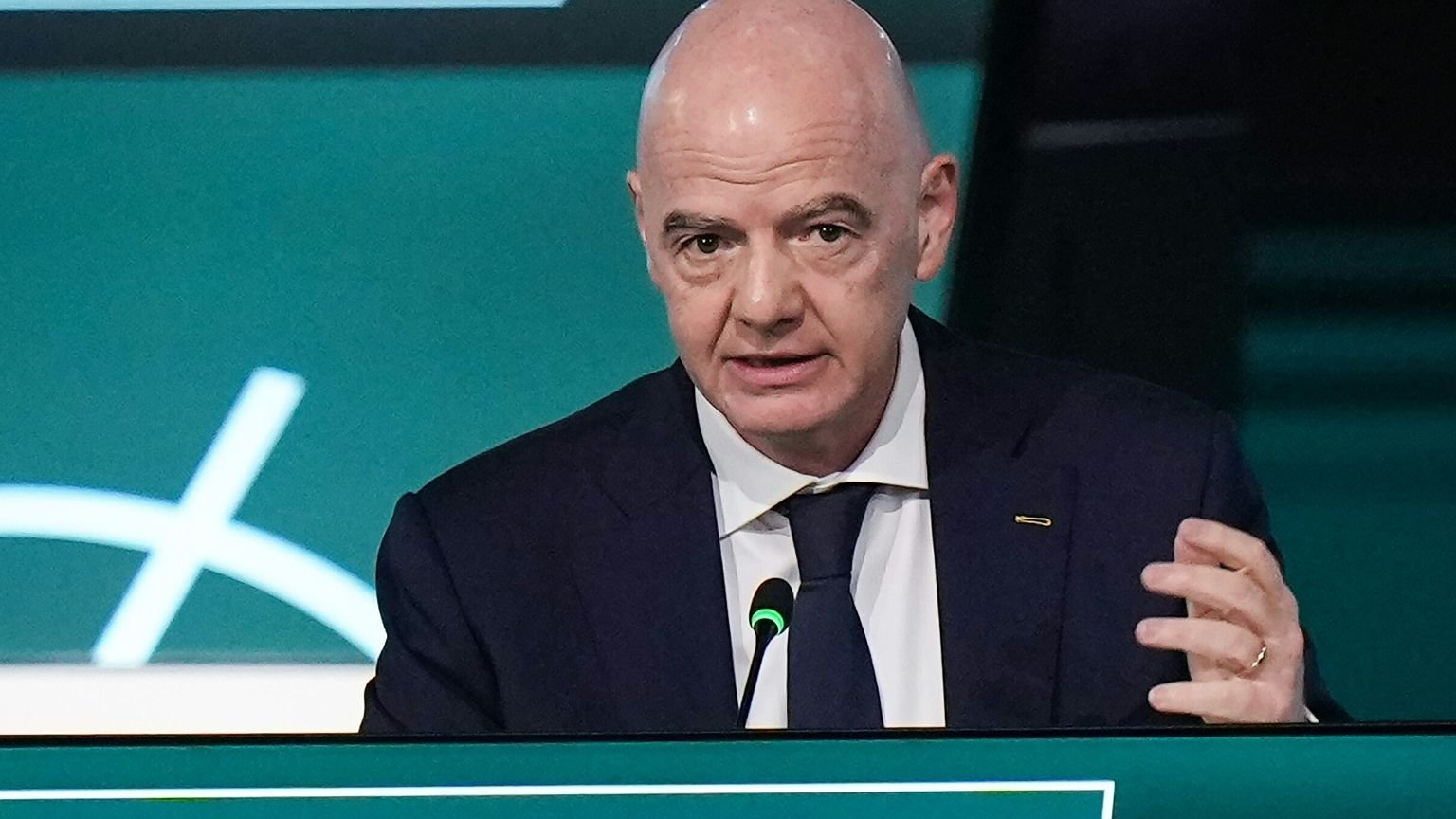
In an unprecedented move that will transform the future of global sports broadcasting, the Fédération Internationale de Football Association (FIFA) announced the signing of a strategic partnership agreement with the YouTube platform, which will see the first 10 minutes of most matches of the 2026 World Cup broadcast free of charge on the world’s most popular digital platform.
A pioneering experience
Kalshi FC’s “X” page states that this initiative represents a radical change in FIFA’s strategy for distribution of broadcast rights, as it will allow fans around the world to follow the start of matches without paid subscriptions, in an attempt to attract a wider range of viewers and encourage them to watch full matches on official channels with rights.
The move comes as part of FIFA’s preparations to host an expanded World Cup in 2026, which will be played for the first time in three host countries – the United States of America, Mexico and Canada – and will feature 48 teams instead of 32 in the biggest tournament ever.
Following the digital transformation of sports content consumption
This agreement reflects FIFA’s awareness of the accelerating change in sports content consumption patterns, particularly among younger generations who prefer digital platforms to traditional broadcast media.
Recent studies have shown that more than 60% of the 18 to 34 age group follow major sporting events online, making YouTube, with more than 2.5 billion monthly active users, the ideal partner to achieve maximum global reach.
A new marketing model for world championships
Sports industry experts believe that this partnership could introduce a new model in the marketing of major sports tournaments through a smart combination of limited free access and exclusive pay-per-view broadcasting, achieving the elusive equation;
Analysts say this strategy can help significantly increase social interaction, especially in emerging markets where the cost of subscriptions can be a barrier to following, and it will also help viral content spread through social media.
Challenges and opportunities
However, the move is not without its challenges, as the question remains how it will affect traditional broadcast rights revenues and whether TV channels, which have paid huge sums for exclusive broadcast rights, will accept this hybrid model.
On the other hand, observers expect this experience to open the door for similar partnerships in other global sports tournaments, which could completely reshape the map of the sports broadcasting industry in the coming years.
FIFA or YouTube have yet to release a detailed official statement on the details of the agreement, including the financial value of the deal or the technical mechanics of implementation, but more details are expected to be announced in the coming months as the tournament’s June 2026 start date approaches.



