Physical Address
304 North Cardinal St.
Dorchester Center, MA 02124
Physical Address
304 North Cardinal St.
Dorchester Center, MA 02124
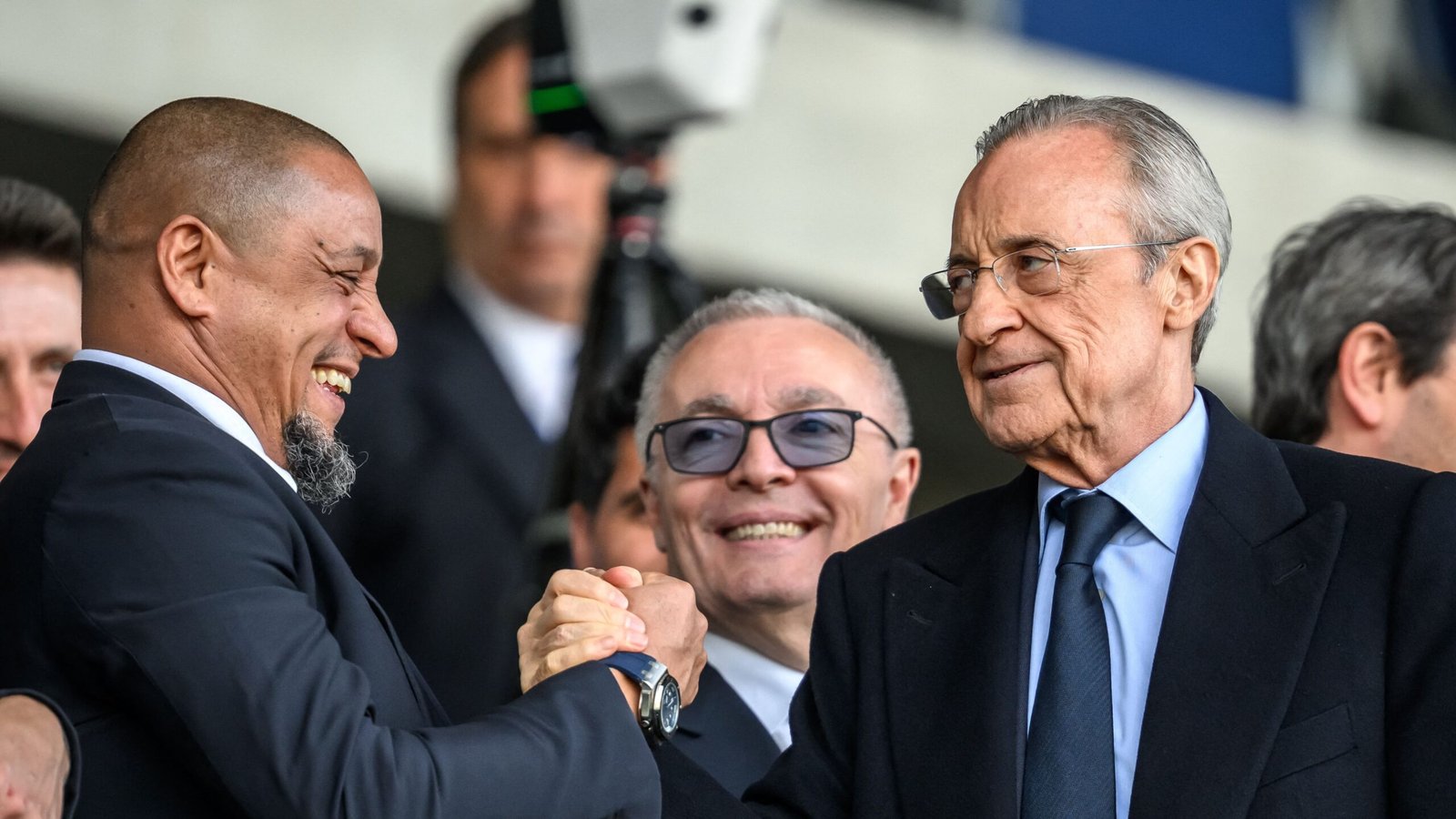
Real Madrid has been and remains one of the unique models in the world of sports because it is based on a system of “socios” (shareholder members) who historically own the club.
However, this democratic model was occasionally subject to administrative upheavals that erupted in the form of financial problems or electoral scandals, leading to the current crisis that prompted President Florentino Pérez to call early elections.
The modern features of administrative crises began under the former president of Real Madrid, Ramon Mendoza (1985-1995), who achieved sporting success but failed to maintain financial balance.
Mendoza was forced to resign in November 1995 amid mounting debt and fierce criticism of his governing style.
But that resignation exposed a legal loophole. His deputy, Lorenzo Sanz, assumed the presidency based on Article 49 of the Statute, only with the permission of the members of the Board of Directors and without general elections, creating a crisis of legitimacy that haunted Sanz throughout his term.
Among the ruins of Real Madrid… Mourinho is satisfied with Perez’s attitude
After Palestinian flag incident… Yamal responds to Flake and critics
Sanz’s tenure (1995-2000) was characterized by administrative turmoil, despite winning the Champions League twice, as the club suffered from a lack of technical stability, with 7 coaching appointments and dismissals in 3 years.
This turmoil was compounded by a huge financial deficit that allowed Florentino Perez to emerge as a savior in the 2000 election, winning the Suns by promising to settle debts and sign then-Barcelona star Luis Figo.
The July 2006 election is considered the darkest point in the history of the administrative club, as Ramón Calderon won the presidency by a narrow margin, but his victory came after a judicial suspension of the counting of “postal votes” amid strong suspicions of fraud in favor of candidate Juan Miguel Villar Mir.
That election was followed by a bitter legal dispute that continued for years over the legality of excluded votes.
Administrative corruption at Real reached its peak at the 2008 General Assembly, when investigations revealed that non-members of the club had been involved in voting for Calderon’s budget, forcing Calderon to resign in January 2009, leaving the Merengue in limbo until Pérez returned to the presidency.
In response to the chaos of the Calderón era, in 2012 Pérez led radical changes to the statutes that included impossible conditions for running for Real Madrid president, including a 20-year membership requirement and a personal bank guarantee covering 15% of the club’s budget (around €187 million, currently).
Those changes faced legal challenges but have remained in place, and Peres has been winning by acclamation ever since.
The club’s current crisis, represented by a liquidity deficit that has reached 312 million euros, the accumulation of debt caused by the stadium project and wage inflation, are reminiscent of the debt scenarios that bring down presidents.
Perez’s call for an early election comes amid widespread criticism of the team’s performance this season, in addition to numerous dressing room problems that have caught the attention of the Spanish and international sports press, in addition to the announcement of the demise of the Superliga project.
The Real Madrid president looks set to face rare competition this time around from young candidate Enrique Riquelme, who is seeking to break the legal stronghold built by Perez and is expected to build his campaign on promises to rescue the Merengue from its current crisis, according to media reports.



