Physical Address
304 North Cardinal St.
Dorchester Center, MA 02124
Physical Address
304 North Cardinal St.
Dorchester Center, MA 02124
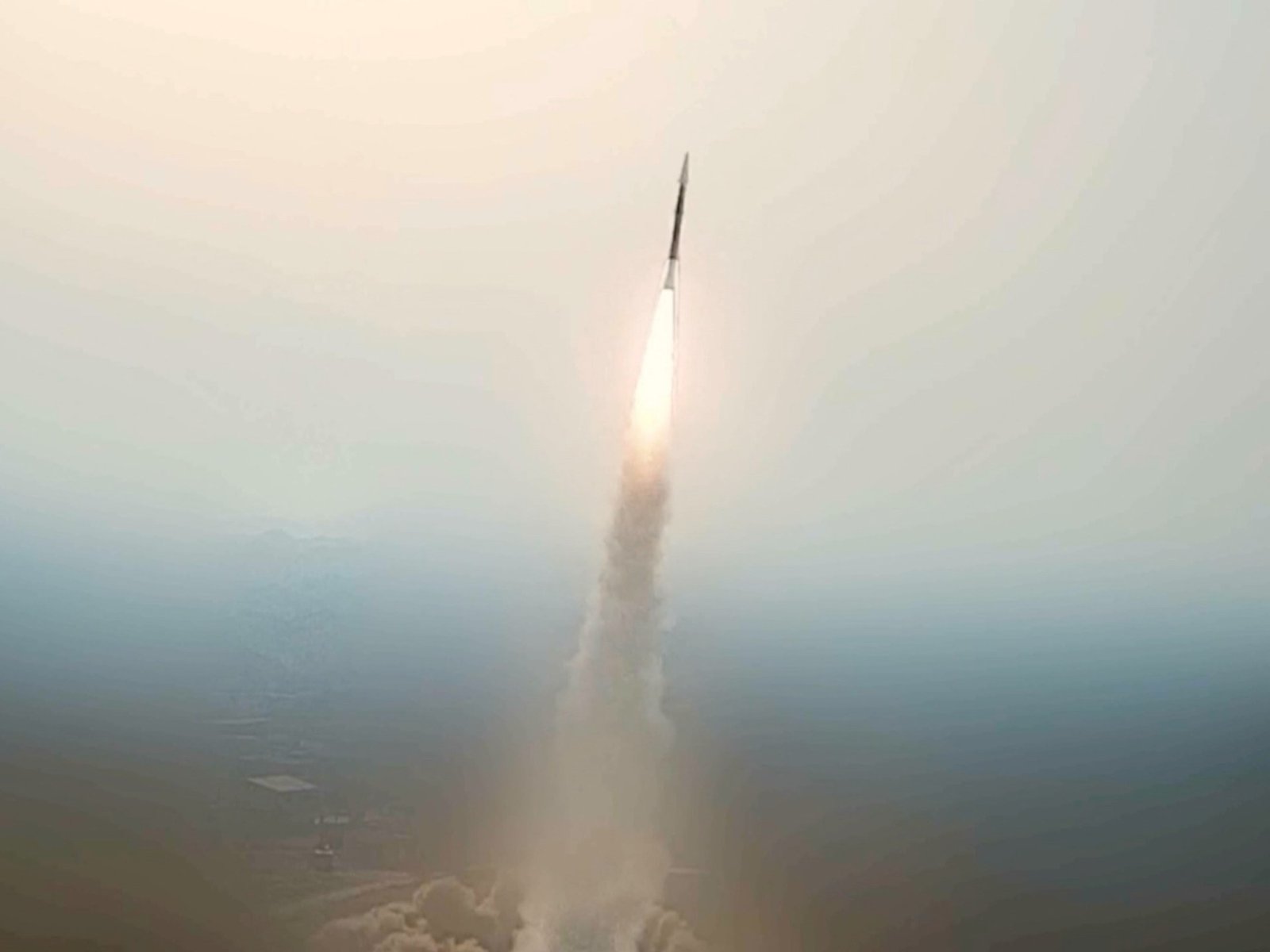
Mediators are scrambling to secure a peace deal between the United States and Iran, hoping to defuse a escalating retaliation that could lead to a major regional conflict, according to experts.
Iran’s Foreign Ministry spokesman Esmaeil Baghaei on Monday confirmed that the mediators were working to prevent escalation, although he declined to reveal any details.
His comments came as Axios reported that Qatar, Egypt, Pakistan and other regional mediators had offered the US and Iran a proposal that would halt hostilities for 10 days and pave the way for a revival of the memorandum of understanding (MoU) agreed last month. The plan also aims to reopen commercial shipping through the Strait of Hormuz, where competing military strategies have been one of the main obstacles in the talks.
But the diplomatic push comes as the U.S. and Iran appear to be going their separate ways. In recent days, tensions have escalated beyond the military’s demands, with clashes escalating as both sides continue to tighten their positions.
The US has stepped up its bombing campaign against Iran, with President Donald Trump also promising that Iran will “pay” after the killing of several US soldiers. Iran, on the other hand, has increased its attacks on ships and targets across the region.
The latest development follows a month of strained relations after Washington and Tehran signed an agreement to extend the end of April and set the means for negotiations to end the conflict, which began on February 28 with the Israeli-US attack on Iran. Since then, both governments have repeatedly accused each other of violating the agreement.
The question now is whether the mediators can persuade both sides to step back from military action before negotiations begin. Here’s what you need to know.
Speaking to reporters on Monday, Baghaei, a spokesman for Iran’s Foreign Ministry, said Tehran had accepted “the proposals presented through mediators”.
“Right now, I don’t want to discuss the details,” Baghaei added, making sure that any efforts would go ahead with the Iranian military’s response.
The latest proposal is said to be based on talks that took place in Muscat on July 11 between Oman, Iran and Qatar but broke down.
At its center is the Strait of Hormuz, an important waterway through which one-fifth of the world’s oil and gas flows in peacetime.
The proposed plan would see the full re-opening of shipping lanes – the Iranian-sanctioned northern route that is currently under US naval protection, and the US-backed southern route, where ships have been attacked by Iran. Under the proposal, military operations will also be suspended for 10 days to give negotiators time to salvage the MoU.
Regional officials are also discussing future financing options, including a jointly managed fund involving the International Maritime Organization or allowing Iran to collect what one source called “operational funds” linked to maritime security and environmental protection, Axios reported.
Simon Mabon, a professor of international relations at Lancaster University, said the deal initially succeeded in deescalating the conflict because it was deliberately vague, giving the US and Iran enough room to work out ways they could agree.
But that flexibility was also his weakness, he said. “Different interpretations” of the “moribund” agreement allowed both sides to claim they were acting on their terms while accusing the other of violating it, ultimately leading to its downfall, Mabon told Al Jazeera.
“Any new agreement would require a clear commitment to avoid conflict,” he said.
The recent escalation of hostilities has only worsened the situation.
Mabon said Iran still sees control of the Strait of Hormuz as one of its main interests, while the deaths of three US servicemen last week increased pressure on Trump to respond forcefully. According to Mr. Mabon, this would prevent both governments from retaliating against “caught in a bigger trap”.
However, there are signs that the US is trying to avoid a major war even as it expands its air campaign, according to some experts.
Alex Almeida, head of security at Horizon Engage, told Al Jazeera that even the US attack is getting worse. inside IranThe “bulk” of the strike “is still focused on Hormuz”, meaning the White House is still trying to resolve the conflict.
“We expect at least another week of US-Iran exchanges in the Gulf and around Hormuz before the talks,” he said.
But Trita Parsi, senior vice president of the Quincy Institute for Responsible Statecraft, said Iran has little incentive to return to talks while military operations continue.
“They see the United States failing to achieve what it wants to achieve in negotiations and going back to war to fix things,” he told Al Jazeera.
“Until we fully commit to negotiations and put aside military operations or other attempts to improve the environment, we will not see any progress in negotiations,” Parsi said.
With each new exchange, the conflict risks a dangerous war that will be more difficult to contain politically, experts warn, in terms of the scope of the objectives.
Iranian officials say the latest US strikes have hit railways and residential areas, while bridges, water reservoirs, food depots and other civilian facilities have also reportedly been attacked.
Meanwhile, the US has expanded its campaign beyond Iran’s southern coast, striking targets inside the country and prompting Iran to retaliate across the region.
Following a 10th consecutive night of US bombingIranian militants have reportedly destroyed a desalination plant and a power plant in Kuwait while also targeting sites in Bahrain and Jordan, signaling the country’s growing military presence.
Experts also warn that the conflict could spread beyond the Gulf entirely. The Iran-allied Houthis in Yemen have announced a maritime blockade of Saudi ports, threatening to open another channel against the region’s energy infrastructure and the world’s busiest waterways.
Mabon said the biggest threat could be the conflict spreading to other waterways, including the Bab al-Mandeb, the southern entrance to the Red Sea.
He added that the complete closure of the transmission line would be “a major step in the crisis” that would “also affect oil prices and international transport”.
Mabon also warned that Israel could appear as a “spoiler” in any negotiations, citing the upcoming election in October and limited domestic support to prevent a shutdown.
And because the conflict shows no sign of ending, many fear that opportunities for dialogue are diminishing.
“Although the mediators are working hard… I don’t think it will be enough without a big step up from Iran and the US,” Mabon said.



