Physical Address
304 North Cardinal St.
Dorchester Center, MA 02124
Physical Address
304 North Cardinal St.
Dorchester Center, MA 02124
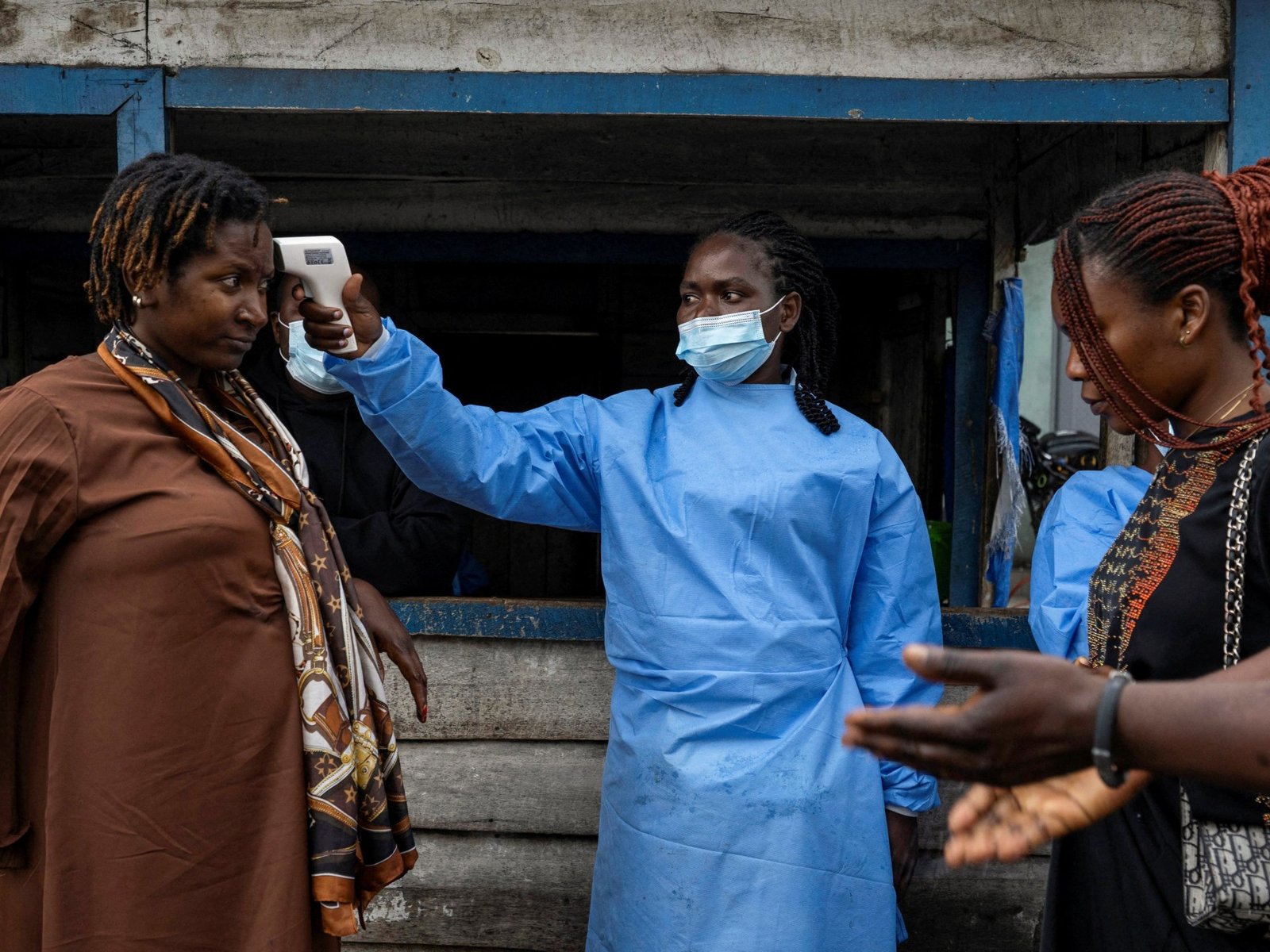
“Stopping the spread of Ebola is highly dependent on humanitarian access,” said Tedros, WHO director-general.
Updated on May 27, 2026
The head of the World Health Organization has warned that the conflicts in the eastern part of the Democratic Republic of Congo (DRC) are seriously hampering efforts to combat the Ebola epidemic.
“Eastern DRC is now facing a serious disease crisis and conflict with the Ebola outbreak in the Ituri region which continues to respond,” WHO Director-General Tedros Adhanom Ghebreyesus wrote on X Wednesday.
Meanwhile, the World Health Organization has recorded at least 10 confirmed Ebola deaths and 220 suspected deaths in the country since mid-May. The agency has recorded 900 suspected cases since the DRC announced the outbreak on May 15. The United Nations health agency said the actual spread of the virus may have been much higher.
Meanwhile, Uganda’s Ministry of Health on Wednesday announced the temporary closure of its border with the DRC.
It added that only authorized teams, humanitarian workers, food and cargo transport will be allowed to cross and undergo health checks. Anyone coming from the DRC to the country must self-isolate for 21 days, the ministry said. Schools in border districts will remain open, it added.
Tedros said the Bundibugyo strain of Ebola spreading in the DRC “has no approved vaccine or treatment”. “Stopping the spread of Ebola depends entirely on humanitarian access,” he said.
The security situation in eastern DRC, which has experienced three decades of armed conflict, is a major barrier to access. Public services in the rural areas of Ituri district have been lacking for many years.
“The ongoing conflict is causing mass displacement, pushing people into overcrowded camps and cutting off shelter corridors. Frontline workers are putting themselves at risk, while attacks on hospitals make follow-up and contact impossible,” said the WHO director general.
“We cannot mobilize the community or isolate the sick when bombs are falling,” Tedros said. “We are calling on all warring parties to agree to an immediate ceasefire in order to end the crisis. So that we can find safe and stable routes for the medical teams.
Earlier, health officials warned that the epidemic is continuing to spread to other parts of Africa, with neighboring countries affected.
Ten countries, including Rwanda, Kenya, Tanzania, Angola, Burundi, Central African Republic, Republic of Congo, Ethiopia, South Sudan, and Zambia, are facing the risk of an Ebola epidemic, according to the Africa Centers for Disease Control and Prevention.
The WHO has also warned that although the risk of global transmission remains low, the situation is being closely monitored due to the increasing number of cases, infections among health workers, and urban epidemics.




