Physical Address
304 North Cardinal St.
Dorchester Center, MA 02124
Physical Address
304 North Cardinal St.
Dorchester Center, MA 02124
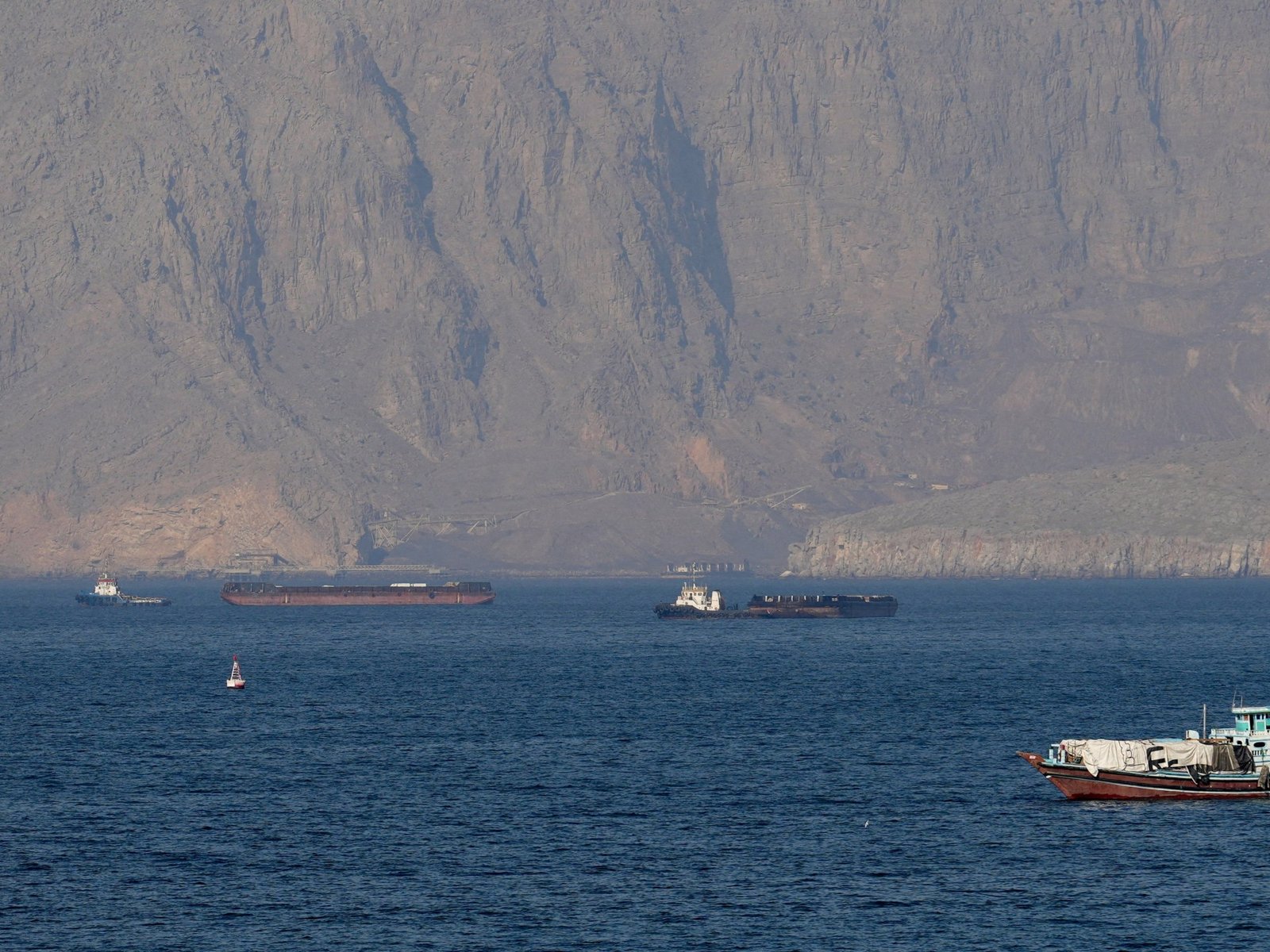
While talks between the United States and Iran appear to be progressing, tensions continue to escalate between the two longtime enemies. The issue is not just a ceasefire or a nuclear deal. It is as if the world economy can avoid entering the energy, food and cost crisis that is focused on the Strait of Hormuz.
Recent reports suggest that Washington and Tehran are negotiating a deal that could reopen the crisis as part of a broader plan. The thoughts are said to include The 60-day deal, re-opening of shipping lanes, easing sanctions and renewing talks on Iran’s nuclear program.
The urgency is obvious. About a fifth of the world’s oil and a large portion of liquefied natural gas usually pass through the Strait of Hormuz. In recent weeks, disruptions to train services, military conflicts and competition in the maritime sector have caused commodity prices, energy prices and insurance premiums to rise.
If a permanent agreement is not reached soon, the consequences could spread rapidly around the world.
To be sure, rich countries will have consequences. Rising oil prices will exacerbate inflation already weighing on households in Europe and North America. Governments facing declining growth and fiscal concerns continue to face political pressures as transport, electricity and food prices rise again.
But the consequences will be more severe in the Global South.
Many developing countries are still dependent on imported oil, imported fertilizers and imported food. Therefore, the energy shock is passed through the entire economy. Travel costs rise. Agricultural production is expensive. Food inflation is on the rise. Public finances are getting worse as governments try to protect people from rising prices through subsidies or emergency aid.
These changes are already visible. Across several dependent countries in Africa and South Asia, governments are pushing getting some essential oil while we are facing financial crisis. The longer the uncertainty around the Strait of Hormuz continues, the more likely it is that inflation will exacerbate debt problems and social instability.
Indeed, the global economy will remain highly vulnerable to global economic shocks. The Strait of Hormuz is not just a regional waterway; it is one of the central arteries of global capitalism. When there is a war or a partial shutdown, the effects reverberate around the world in a matter of days.
Food prices are very difficult to these disturbances because energy markets and food systems are closely related. Fertilizer production is highly dependent on natural gas. Shipping and refrigeration costs depend on fuel prices. When the energy markets crash, grocery prices go up almost everywhere.
This is why modern communication is so important.
The issue is not just whether the US and Iran can avoid an escalation of the war. It is also unlikely that the global financial crisis that has already started due to debt, climate change and global fragmentation can withstand another long-term energy crisis.
Recent years have shown how quickly such paradoxes become political. Rising food prices fueled unrest before the Arab uprisings more than a decade ago. In recent years, inflation has fueled political unrest from Latin America to Europe. Governments around the world are already grappling with mistrust, stagnant wages and growing inequality. Continued increases in energy and food prices could exacerbate these problems.
Ironically, most of the countries that are suffering the most have no power in this war.
The people who now face the greatest economic risk are often the cause of political conflict, yet they are the ones most affected by rising import prices, growing hunger and dwindling incomes. The global economy repeatedly pays for power imbalances in poorer regions through trade and credit markets.
Therefore, reopening the Strait of Hormuz is not a matter of concern for Washington or Tehran. It is also important for the global economy.
This does not mean that the negotiations will be easy. Major disagreements remain over sanctions, uranium enrichment, regional security arrangements and governance in the Gulf. Reports it also reflects the ongoing disputes over who will control the Strait of Hormuz and under what conditions.
Nor is there any guarantee of non-fighting. Previous talks have repeatedly stalled amid renewed hostilities and mistrust.
Yet another approach is increasingly dangerous.
The long-term disruption in the Strait of Hormuz may not be a regional problem for a long time. It will increase inflation, exacerbate food insecurity, disrupt humanitarian systems and increase the likelihood of political instability in vulnerable countries that are already in dire straits.
In this sense, the current negotiations are more than negotiations between the US and Iran. He asks if the world can avoid another problem that is growing worldwide due to the lack of energy, political divisions and economic growth.
The Strait of Hormuz cannot be closed – economically or politically – without consequences for everyone.
The views expressed in this article are those of the author and do not reflect Al Jazeera’s influence.



