Physical Address
304 North Cardinal St.
Dorchester Center, MA 02124
Physical Address
304 North Cardinal St.
Dorchester Center, MA 02124
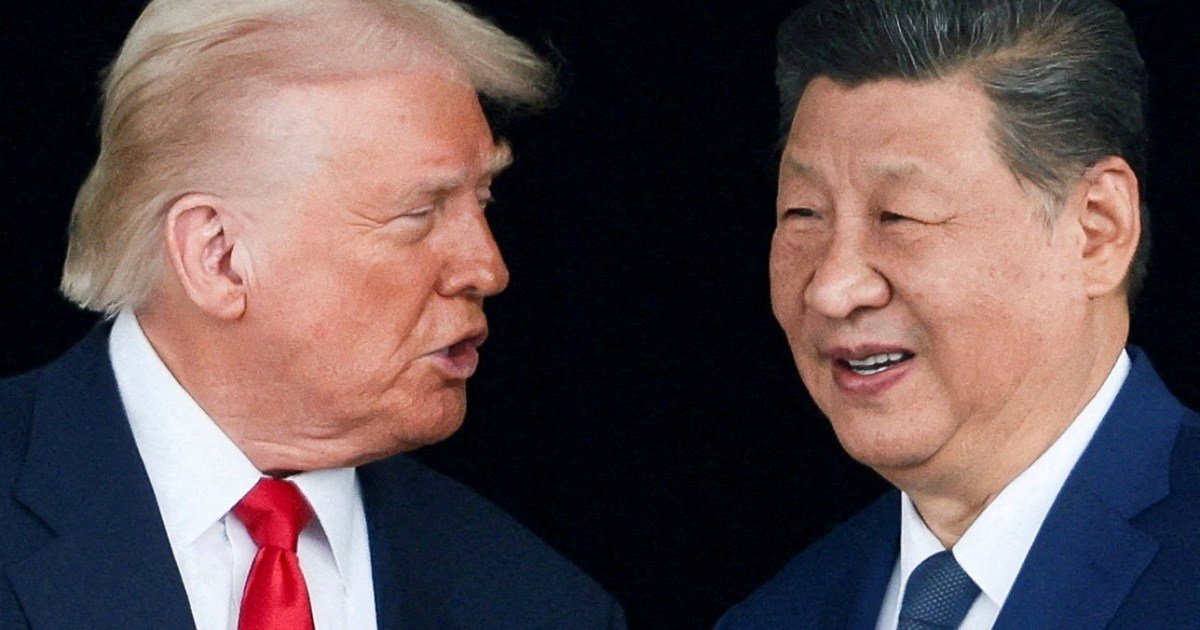
In the past few months, the geopolitical chessboard has been tilted significantly, leading to the much-anticipated but uneventful meeting between Donald Trump and Xi Jinping, which has now been officially confirmed for May 13-15 following the announcement of the White House and the Ministry of Foreign Affairs of China. Washington has been showing its importance to the meeting, while Beijing has been close in its approach, making the meeting less than an important forum for “communication” and “strategy management” between the great powers.
This subtle choreography speaks volumes about the changing dynamics of the world. For the first time in decades, it is the United States that finds itself in the thick of it, relying heavily on China’s cooperation to avert a self-inflicted threat.
The source of America’s predicament is the failure of its recent military adventurism in the Middle East. Having launched an unprovoked war with Iran against Israel, the US military has found itself in a costly and long-term threat. In retaliation, Tehran has choked off the Strait of Hormuz, with more than a dozen US warships now enforcing a blockade that has displaced many ships, sent shockwaves through global energy markets and raised fears of a global recession. Washington now finds itself in a rush to get out.
In a dramatic reversal of their hawkish rhetoric, US officials – including Secretary of State Marco Rubio and Treasury Secretary Scott Bessent – have been calling for China’s intervention. He is urging Beijing to use its influence to get Iran to reopen the vital waterway.
What makes this all the more interesting is the contradiction at the heart of US policy. While Trump and Rubio are asking for China’s help in the Hormuz crisis, the US deployment remains controversial, with ongoing disputes over technical restrictions and other issues continuing to strain relations. The disagreement reflects a leadership that is increasingly desperate.
Washington’s case makes China the party most in need of a resolution, given Beijing’s heavy reliance on Middle Eastern energy supplies. However, this assessment seriously undermines China’s strategic planning. Far from being weakened by chaos, Beijing has already shown remarkable resilience. Through careful maintenance, diversified supply chains, and strong domestic production, China has weathered the shutdown successfully, avoiding the economic disruption that Washington expected.
Therefore, Beijing sees the standoff in Hormuz as an important test that has already been passed. Knowing what is going on, China is in no rush to chase down the aggressive Washington. Recent diplomatic negotiations have made this clear. China has been in close contact with Iran throughout the crisis, with Foreign Minister Wang Yi meeting with his Iranian counterpart to discuss the issue. Instead of forcing Iran to reopen Hormuz, Beijing wants a big “win”. Why settle for a small interest rate when you can force the US to stop fighting Iran, lift crippling sanctions, and agree to a new security architecture in the Middle East?
Iran has offered a response to the US proposal to end the conflict, focusing on stopping the war and dealing with the security of the Strait, which Trump quickly rejected as “unacceptable,” highlighting what Washington hopes Beijing can do.
China did not start this fire, but it is now an important force that can put it out, and carefully. Beyond the latest crisis, Beijing’s biggest strategy remains unshaken: the big issue of Taiwan. This growing confidence will no doubt continue into the Trump-Xi summit. While Trump is looking for flashy material and a winning image to distract from domestic turmoil, Xi may be playing the game.
Unlike previous regimes that have settled on vague pleasures, Beijing is expected to escalate the crisis. China wants the US to firmly oppose Taiwan’s independence, move unwaveringly beyond the current situation, and fearlessly commit to “not supporting” separatist groups.
Recognizing Trump’s eagerness to win, the US president may try to use Taiwan as a negotiating tool. They can offer opportunities in this regard in exchange for China’s cooperation in reopening the Strait of Hormuz, large purchases of American agricultural products and energy, or even help to make peace in other conflicts.
However, Beijing is too disciplined to avoid falling into long-term traps. Taiwan is a non-negotiable priority, and short-term trade-offs would be foolish.
While Trump may praise his relationship with Xi Jinping and project an image of peacemaking, Beijing has no illusions about the man. The Chinese leadership understands that Trump cannot be trusted; Any agreement reached today can be thrown out tomorrow based on their own agenda or political calculations. Although Beijing is happy with the prospect of a “great victory” and maintaining a good image, it refuses to trust Trump’s promises.
By establishing its relationship between the two countries and the US in the coming months – especially during the major meetings planned between the two leaders throughout the year – China wants to protect the external environment that can rise in the long term.
For Beijing, however, protests extend only to Taiwan. China’s priority will also be to obtain firm assurances about Japan’s return to war. As Tokyo expands its military power and becomes increasingly vocal about its willingness to intervene in the Taiwan crisis, China will demand that Washington moderate its allies’ demands.
Globally, Beijing is positioning itself as a stable and stable major power, repeatedly calling on countries to resolve the Hormuz conflict and prevent economic collapse. In doing so, China stands in stark contrast to the United States, which has waged illegal wars, engaged in what critics describe as state terrorism, including the kidnapping and assassination of foreign leaders and their relatives.
In the end, the coming days are important not only for the future of the US-China relationship, but also for the end of the US-Israel war on Iran and the expansion of the international order. The era of United States unilateralism is breathing air in the Gulf. With wise patience and increasing leverage over the crisis, China will enter the Trump-Xi meeting in command.
The views expressed in this article are those of the author and do not reflect Al Jazeera’s influence.



