Physical Address
304 North Cardinal St.
Dorchester Center, MA 02124
Physical Address
304 North Cardinal St.
Dorchester Center, MA 02124
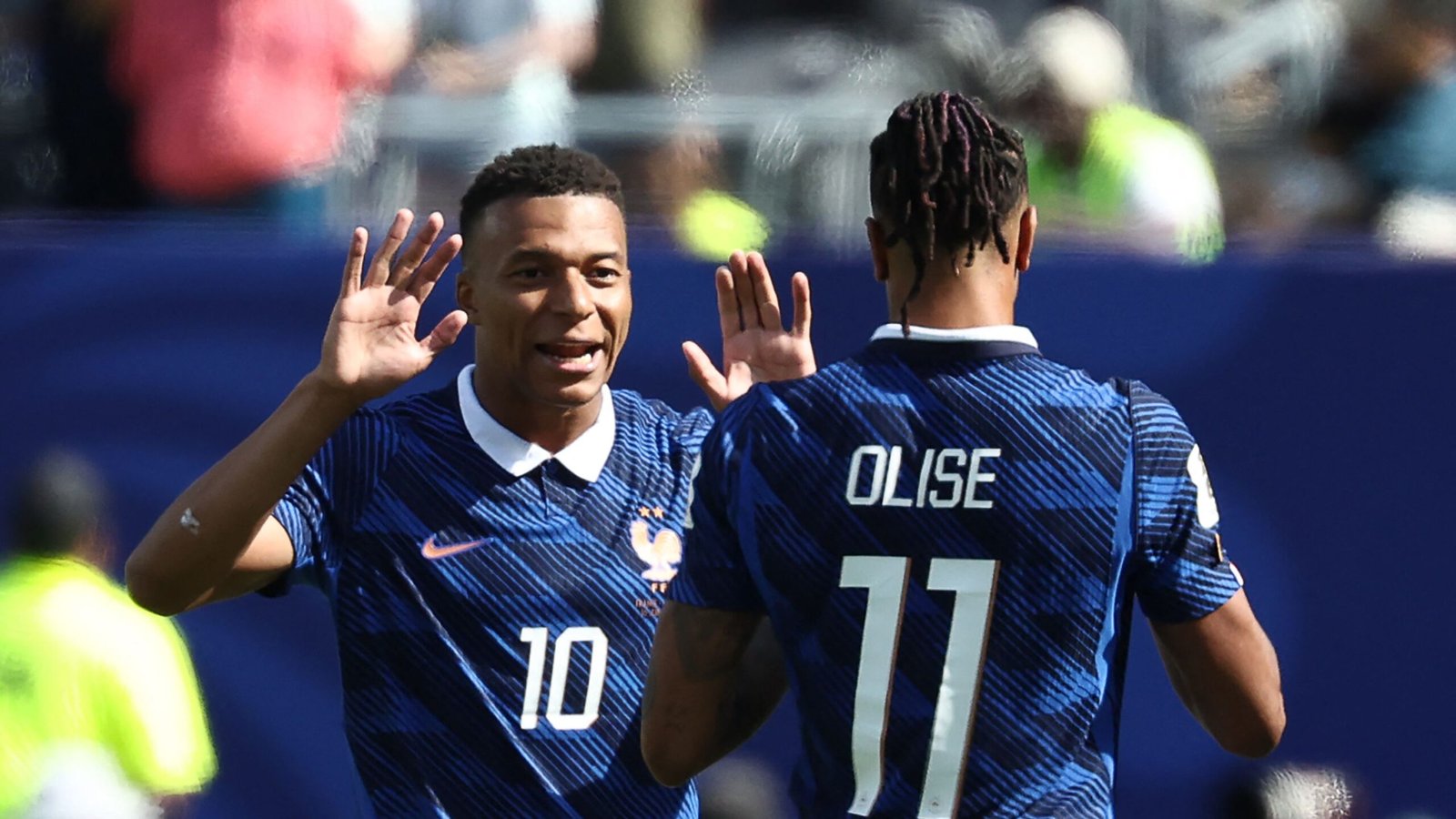
Ousmane Dembele reveals the mystery of his lost identity with France
Between the hustle and bustle of winning the Ballon d’Or and sitting on the world player’s throne with Paris Saint-Germain, and the deafening silence and lackluster performance in a French Roosters shirt, Ousmane Dembele lives a strange footballing paradox that has made him the newest footballing paradox of my 206. Cup.
France’s World Cup opener against Senegal was an inauspicious start to the Ballon d’Or, and it also came out as a moment of brutal confrontation for Dembele with the complex tactical reality of reshuffling the administrative and technical hierarchy in coach Didier Deschamps’ side.
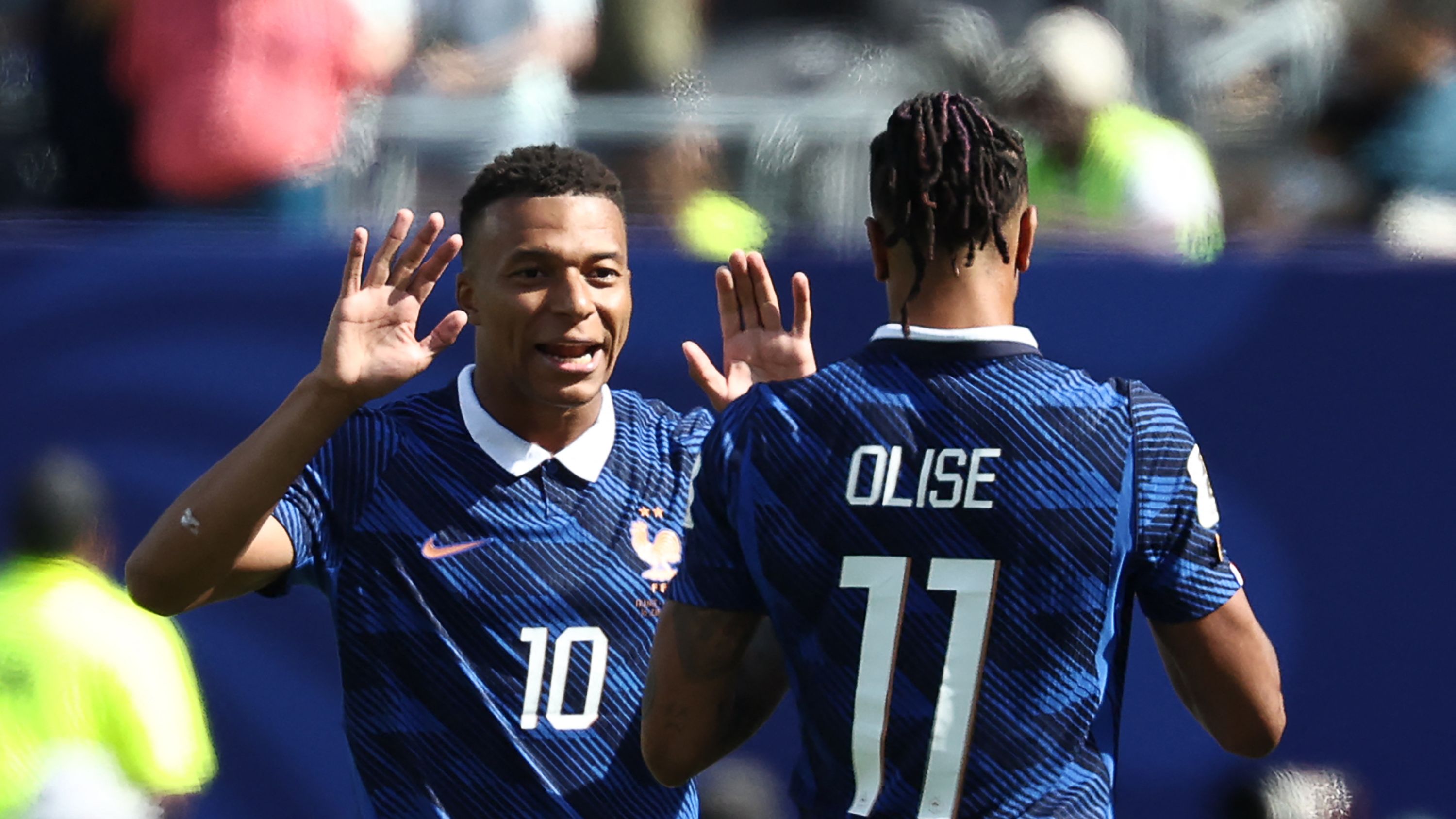
In Paris, Dembele is the uncrowned king. The whole team moves to serve him and spaces are created for him to play his symphony in the position of an imaginary striker who has absolute freedom. As for the French national team, the story is completely different. Here, an empire is built entirely around one man, Kylian Mbappe.
The French media, led by RMC, confirm that Dembele’s crisis is in the “conflict of artistic identity”, and in this context, the statements of the well-known analyst Di Meko pointed to the wound.
De Meco said: “There is really a problem with Dembele in the team. His performance is average and he hasn’t had any historic matches. Dembele will never build the team around him in France because the team is already built around Mbappé and Dembele will have to fight to take his place.”
This reality leaves Dembele, despite his storming success outside the national team, second, and perhaps third, behind the Roosters’ all-time leading scorer at the World Cup.
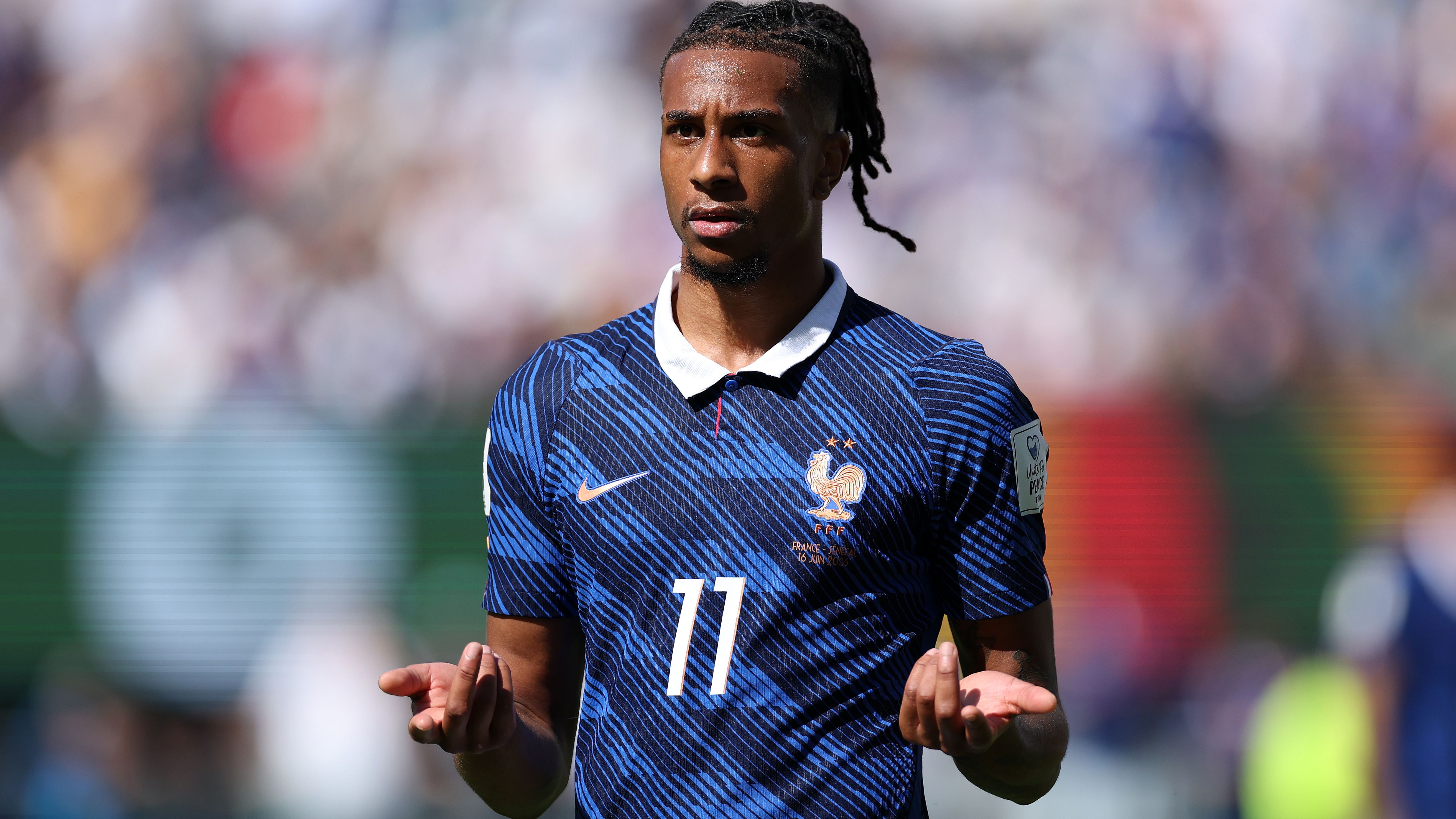
Dembele’s crisis did not stop at Mbappe’s stardom, but was rather compounded by the tactical explosion of Bayern Munich’s gem, Michael Olisse.
In the Senegal match, when Deschamps tried to play Dembele as a playmaker alongside Olisse, the ‘mosquito’ looked lost, lacking his compass and unable to deliver the advanced passes or runs that he does with Paris, so he came out with a ‘document of condemnation’ from L’Equipe newspaper, who awarded him a first-team rating (4).
Olisse, on the other hand, appeared in complete freedom deep in the pitch, presenting his best levels and proving to Deschamps that the future passes through his feet.
This brilliance from Olissi put Dembele in a tactical awkward position as he was required to adapt to a system that places him behind Mbappe and Olissi instead of being the de facto leader of the group.
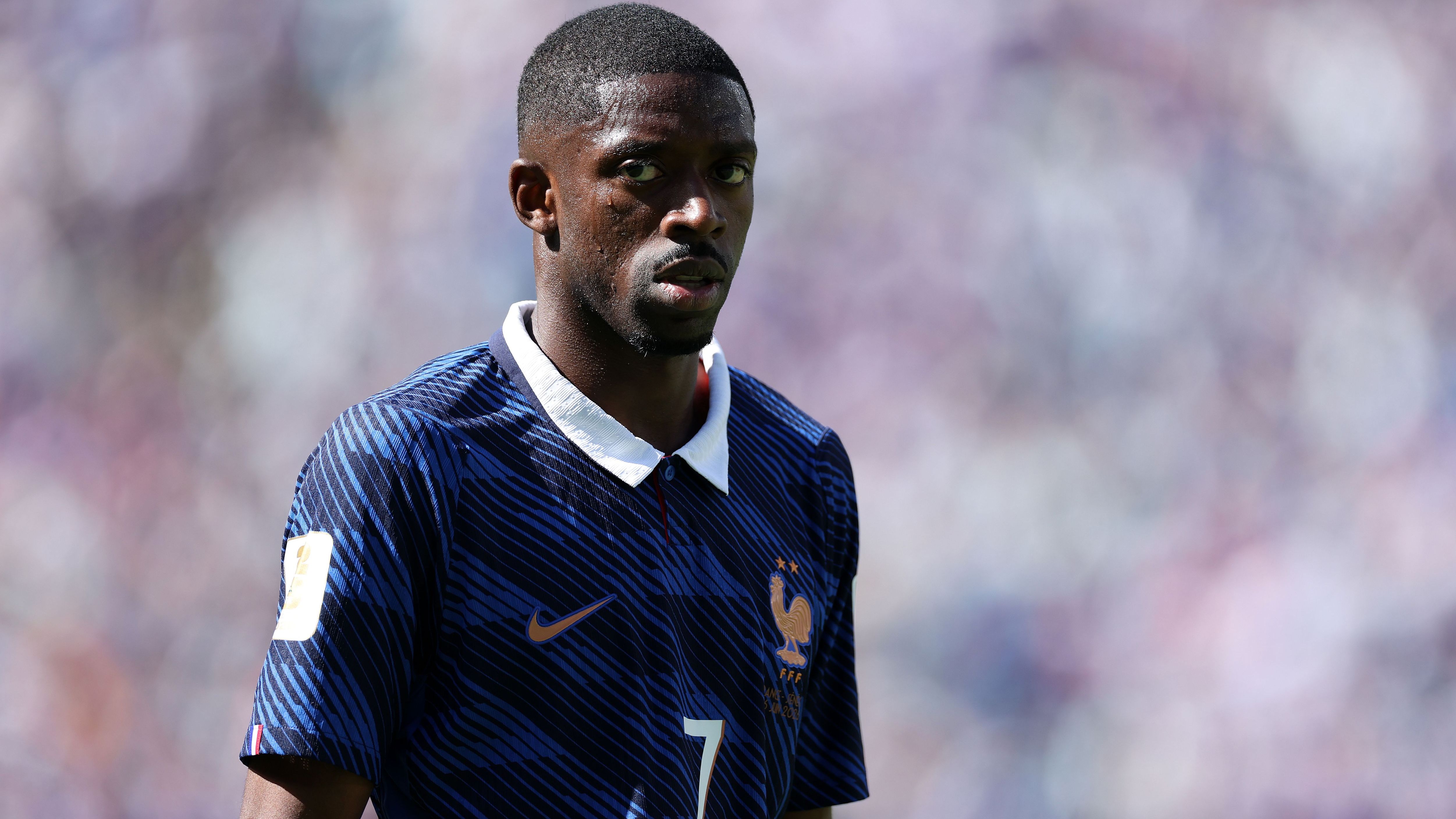
If Deschamps wants to end this tactical headache before the next confrontation with Iraq and make the most of his lethal weapons, the solution is not to create complex roles for Dembele on the pitch, but to return to the axioms of tactical employment.
Placing Ousmane Dembele in a deeper playmaking position clearly wastes his advantages, as he does not have the classic playmaker psychology under pressure in tight spaces, as he does in Paris as a false striker.
The ideal and most appropriate solution here is to move Dembele back to the right wing as a classic lineman, where he can use his extraordinary speed and ability to isolate defenders in one-on-one encounters and create the difference between sides.
Michael Olis, on the other hand, could drop deeper to play as a clear-cut playmaker under Kylian Mbappe.
Olisi has vision, composure and the ability to connect the lines and giving him this freedom in the heart of the pitch will allow him to fund Mbappe with decisive passes on the one hand and Dembele on the other to threaten opponents without the front three interfering with each other’s roles.



