Physical Address
304 North Cardinal St.
Dorchester Center, MA 02124
Physical Address
304 North Cardinal St.
Dorchester Center, MA 02124
What happened at the 1974 World Cup?
In the summer of 1974, the Zaire team made history as the first representative of sub-Saharan Africa at the World Cup. It was the first participation of the Democratic Republic of the Congo under its old name, and it followed a remarkable continental coronation. The details of the trip can be viewed here in the 42nd episode of the “National Team Story” series.
The experience in Germany was not what the players hoped for. Three defeats in a row, especially the heavy 9-0 defeat against Yugoslavia, and the famous free-kick against Brazil, which remained in the memory of the World Cup.
After that, the Congolese national team missed the finals for 52 years. Despite having a talented generation and winning the Africa Cup of Nations twice, the team failed to qualify at times, while its players’ names shone in Europe away from the national team jersey.
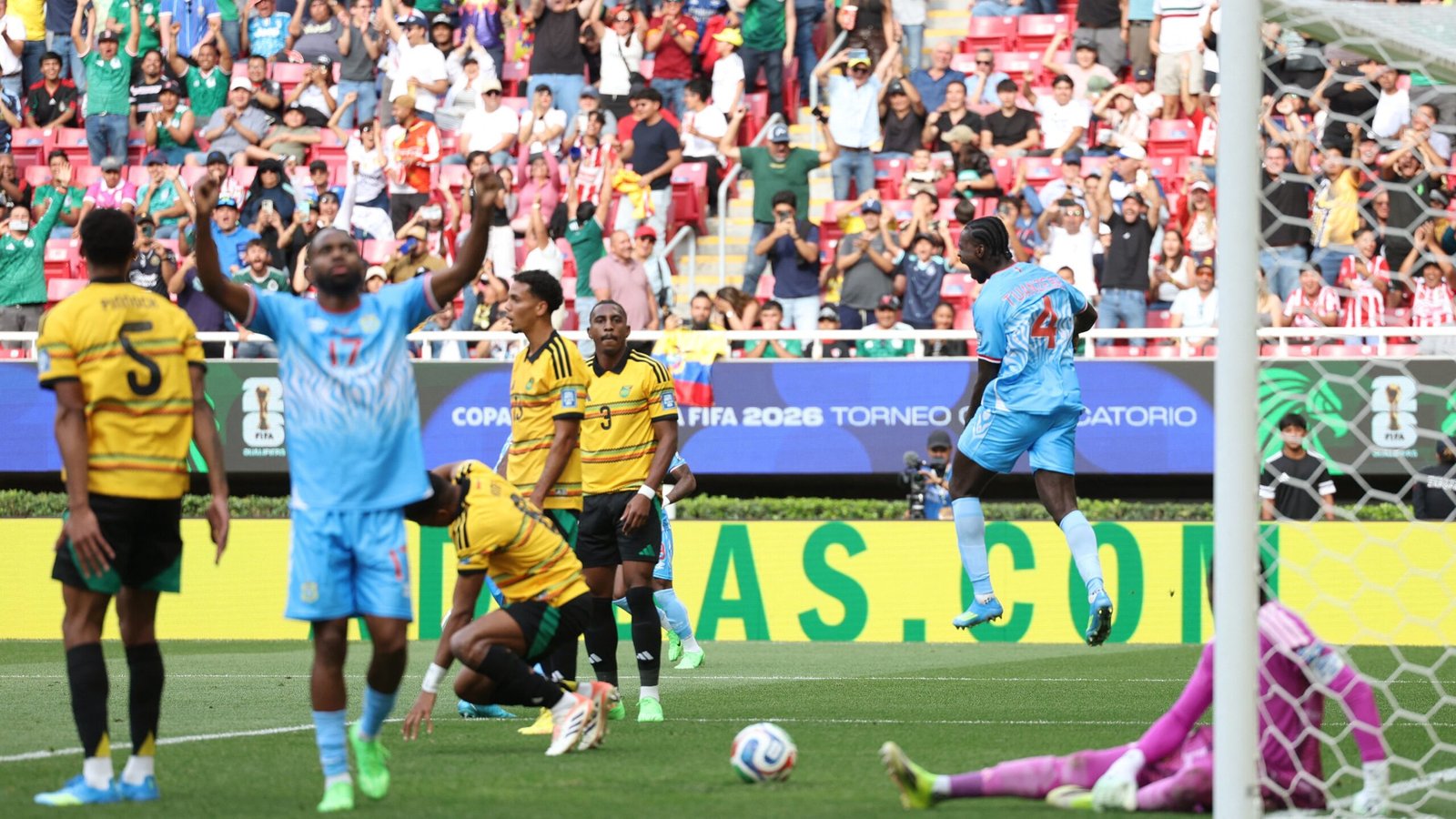
The comeback was finally achieved at the 2026 World Cup after a hard-fought play-off victory over Jamaica, and today a new generation arrives armed with professionals from Mbemba and Wessa to Wan-Bissaka and Mayele to write a different chapter. The goal is no longer just to participate, but to erase the image of 1974 and present the Democratic Republic of the Congo as it deserves. a team that can compete after half a century of waiting.
Read also:
The story of Algeria and the World Cup… the mission to restore prestige begins now
Zaire was the first sub-Saharan African team to reach the World Cup after winning the Africa Cup of Nations in the same year. Qualification came under President Mobutu Sese Seko, who invested in football as a propaganda tool for the regime, but the dream quickly turned into a nightmare in West Germany.
The African team lost all three of their matches and crashed out of the first round, but the biggest shock came against Yugoslavia on 18 June 1974 in Gelsenkirchen, when they suffered a historic 9–0 defeat, the biggest defeat in Congo’s history at the World Cup so far. This result confirmed a stereotype about African football for years.
The most famous story remains that of defender Mbwanga Ilunga, who ran through the wall to block a free-kick for Brazil, in a scene that the world naively interpreted, while it was later revealed to be a protest against the non-payment of fees and the regime’s threats to players.
The referee whistled Brazil for a foul.
And just then, Mwepu ran like a real leopard and hit the ball in the opposite direction of Kazadi’s goal.
Surprise, reprimand and mockery for the poor defender. pic.twitter.com/dPMO4Tz3FK
— 🌿🌿 (@OmarBS_) April 23, 2022
Although the Democratic Republic of the Congo was the African champion twice (1968) and (1974), it failed to return to the World Cup for more than half a century. Internal events, crumbling infrastructure and the country’s three name changes made a sustainable football project impossible and prompted an early migration of talent to Belgium and France, while the national team continued to pay the price for the lack of planning.
The comeback was finally achieved in the 2026 World Cup qualifiers, where Congo beat Jamaica 1-0 in a dramatic match after two extra-times that saw Argentine referee Facundo Tello injured and in tears before being substituted in the 111th minute. The victory gave the Panthers their second ever qualification card, following their first appearance in 1974 under the name Zaire.
The qualifiers were led by France’s Sébastien Desabres, the former Ismail and Pyramid coach, who restored discipline and identity to the team and Congo became the 10th African team to retain their place at the 2026 World Cup, putting the country back on the global map after a long absence.
😳❌|: IH BOY! DO YOU FEEL LIKE A TEACHER?
Congo and Jamaica referee Facundo Raúl Tello Figueroa FELT HIS KNEE in overtime and stopped the game.@territoriomls: pic.twitter.com/L7xUUWTJO4
— Christian Moraes (@ocrismoraes) March 31, 2026
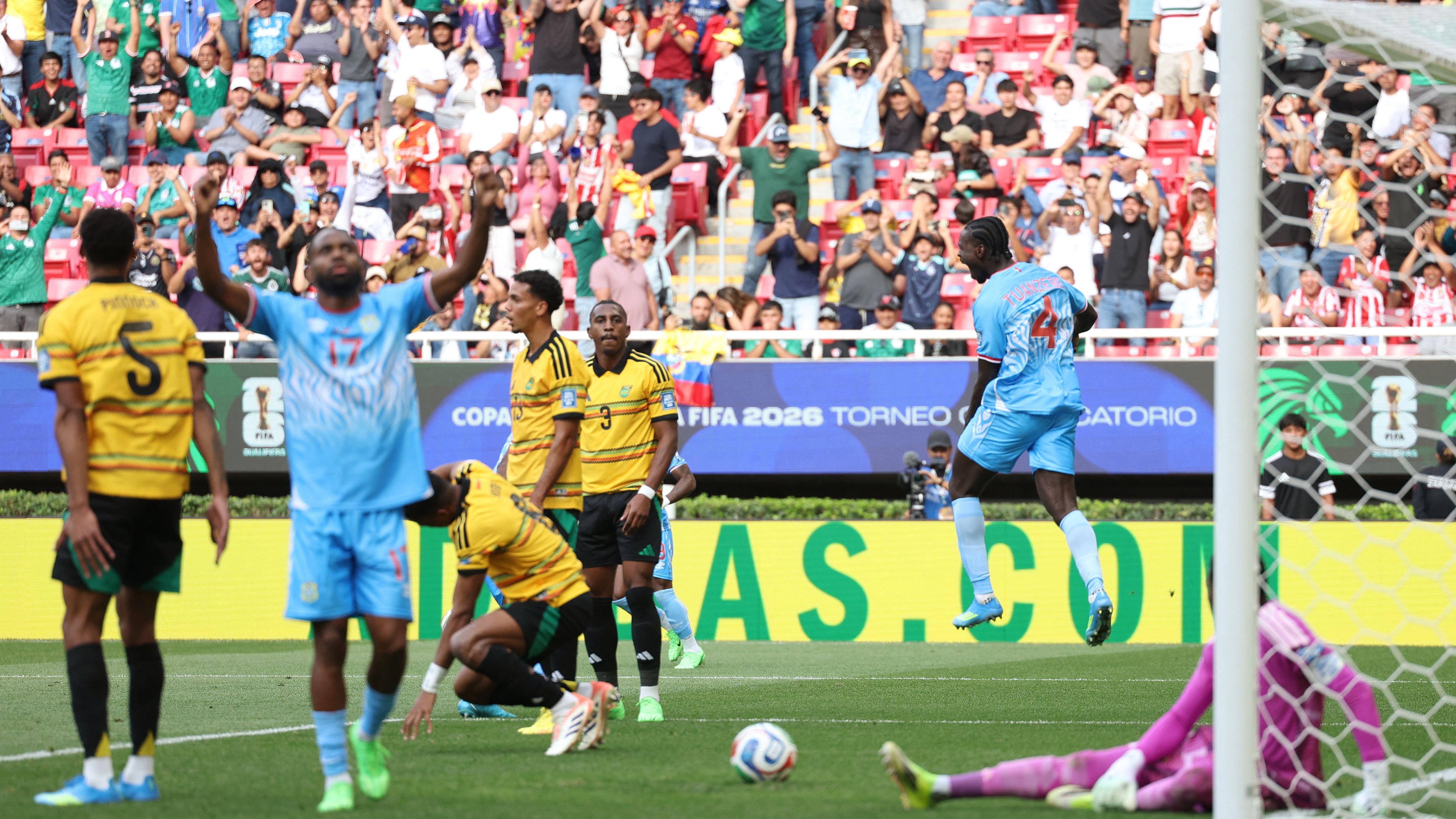
The biggest difference between 1974 and 2026 is the quality of the players. The current generation includes more than 20 professionals in Europe, led by captain Chancel Mbemba, Arthur Masuku, Brentford forward Yoan Wisan, Aaron Wan-Bissaka and Theo Bongonda. The list also includes “Pyramid” striker Feston Mayele, one of the best scorers in the Egyptian league.
The draw puts Congo in a strong group for the 2026 World Cup as the team faces Portugal in Houston on June 17 and then Colombia in Guadalajara on June 24 for a real test of their ability to compete and not just participate.
Desper doesn’t have stars like Mbappe, but has a balanced system that relies on defensive solidity and quick transitions, so the aim is not to repeat the Zaire scenario, but to cross the groups for the first time in history, giving Congolese football a new legitimacy after decades of marginalization.
For 50 years, the name of Zaire has been associated in the minds of the world with a penalty kick and a 9-goal defeat. The 1974 participation was classified in the West as evidence of “Africa’s lack of preparation”, while the media ignored the context in which the players lived. Congo paid the price for that image in every subsequent qualifier.
The generation of 2026 brings a historic opportunity for rethinking. The national team no longer represents a totalitarian regime but a successful Congolese diaspora in Europe returning to wear the shirt as the qualification itself was celebrated in Kinshasa as an all-encompassing national event after years of separation.
If Congo manage to deliver a respectable performance, it will erase the stain of 1974 and transform it from the “shame of Zaire” to the “pride of the Panthers”. Here, football is not just a game, but rather a tool to restore national identity after half a century of absence from the world’s biggest stage.



