Physical Address
304 North Cardinal St.
Dorchester Center, MA 02124
Physical Address
304 North Cardinal St.
Dorchester Center, MA 02124
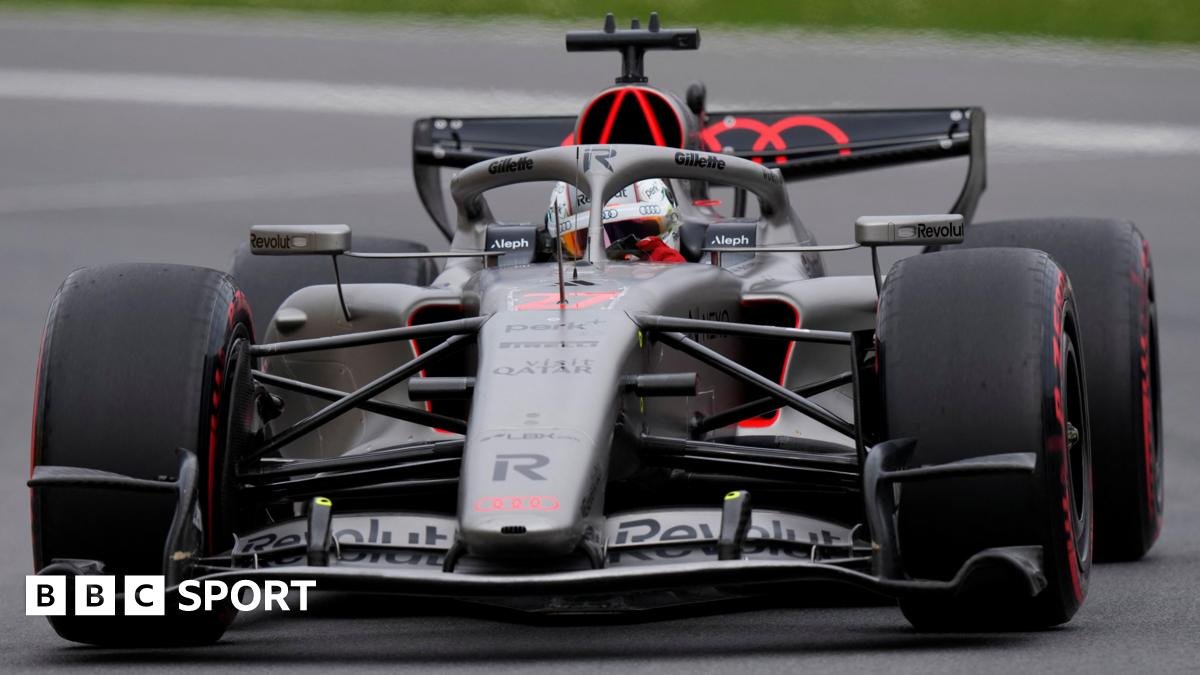
Mercedes would also love to turbocharge the new engines but isn’t quite as accommodating to the concept as Audi.
Ben Sulayem said in an Instagram post this week that he wants V8s to return because they are “lighter, cheaper, safer and louder”.
His concept effectively dates back to F1 engine regulations in 2013 before the turbo hybrid engine debuted in 2014.
The post said: “V8s are lighter, simpler and more economical, while sustainable fuels mean they can remain consistent with our environmental ambitions. Most importantly, they bring back that unique, visceral sound that fans around the world associate with Formula 1.”
No significant research has been done on whether audiences want louder engines to return to F1.
Last month a BBC Sport article on F1’s future engines featured a poll that received 26,000 responses.
The single largest vote was for a V8 or V6 turbo engine with hybrid capability at 30%, and a clear majority for a turbo engine with significant hybrid capability.
Audi has proposed to the FIA that F1 could use a V8 twin turbo engine with a so-called “hot V”, where the turbo is located between two cylinder banks.
It’s the exact engine used in a new hypercar Audi launched Thursday in Antibes, near Monaco. The Nuvolari has a four-liter twin turbo engine with 30% hybrid capability.
Dolner said: “The Nuvolari has a V8 so we don’t have a problem with the V8 engine. You have to look at it in the overall context. So picking just one question of a regulation doesn’t really answer the overall question, ‘Where do you want to go with the regulations?'”
Asked if there were any deal-breakers for the new rules that could threaten Audi’s participation in F1, Doelner said: “No, not right now. I think and believe and trust that we will have a good discussion on the rules and we will definitely have sustainable fuels.
“It’s not an issue under discussion and it’s more of a philosophical question in some cases, but let’s see what the process brings.”
The FIA has the power to impose engine regulations for 2031 as the contracts that bind the teams to F1 and the FIA expire after 2030.
But doing so would risk losing manufacturers at a time when the current hybrid rules — which everyone in the sport admits are flawed and in need of revision — have attracted General Motors and Ford as well as Audi, and persuaded Honda to reverse its decision to leave.



